
Most people think recruitment is about finding a great player. But that part is by far the easy bit. Every decent scout in the building can hand you a list of who's good. What decides whether a club signs the right players, window after window, is something a lot less glamorous, and it has less to do with football judgement and more about alignment and authority.
Take Les Reed at Southampton. When the owner brought him in, Les agreed to one condition: full control of every football decision, the freedom to make a call and act on it without sending it up the chain for approval. On that basis, he believed the club could reach the Premier League.
Whilst most clubs in League One and the Championship recruit to improve within the division they're in. Les recruited for the division he intended to reach, going after future Premier League value years before anyone else had identified it.
And it worked. Southampton went from League One to the Premier League in two seasons. They later sold Virgil van Dijk for £75m, bought Sadio Mané for €9m and sold him for €35m, and turned their academy into more than £85m of sales. The best players kept being sold and yet the goals and the assists kept coming.
Their advantage was quite simple in its concept:
They had built a structure where decisions could be made earlier, faster, and with more conviction than at the clubs around them.
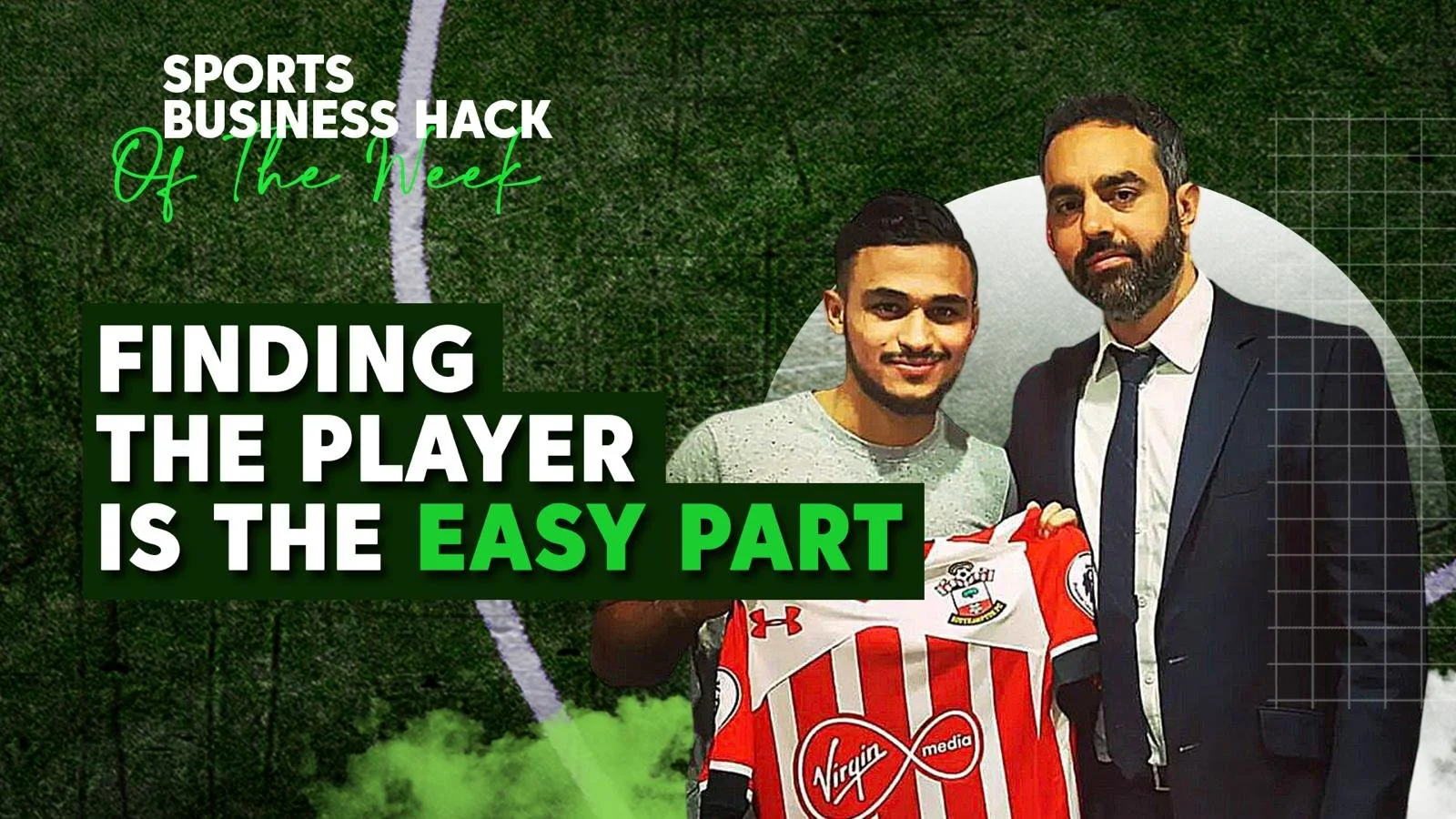
I witnessed this first hand with Les in 2016 on the Sofiane Boufal deal. They signed him 1/3 of his way through his recovery from a ruptured cruciate ligament, which is the kind of risk most clubs run a mile from. I went over to Lille with Ross Wilson, their chief scout at the time who has gone on to have a great career since with Rangers, Nottingham Forest and now Newcastle, to watch Sofiane play live a couple of times, then travelled back out with Ross and Les to close it with the Lille board. From the first conversation to the last, it was Les's call to make, and he had the authority and the speed to make it happen.
That advantage held for Southampton until 2017, when controlling interest was bought off Katharina Liebherr. The authority structure changed, and with that every football decision now had to go up the chain for approval. The scouting was still good and the strategy was still sound. What the club had lost was the primary thing that made it all work so well, the speed and the freedom to act, and slowly the missed opportunities started to show.
Recruitment is decided in very narrow windows. The player is available now, a rival is circling now, and the answer has to be yes now. A club that has to route every decision up the chain misses the window, and the player signs somewhere else or the opportunity has morphed into something else.