
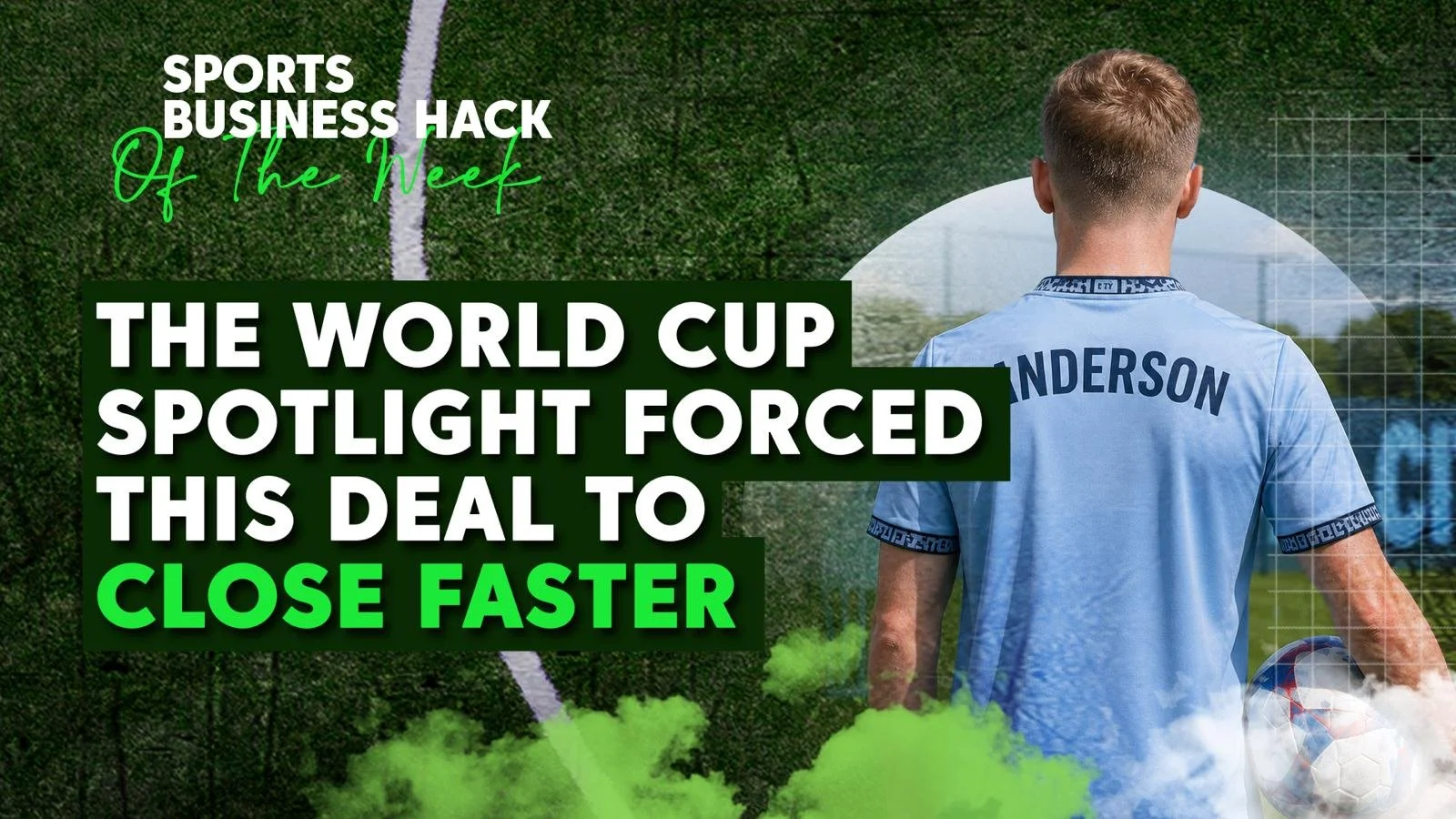
Manchester City agreed to pay a British record for Elliot Anderson today, a reported £116m, while he was in America starting games for England. Forest had signed him from Newcastle two years ago for around £35m. They have agreed to more than triple their money, and the deal got done before Anderson had even played his final group game.
The business case behind the players a World Cup makes famous has usually been structured and decided already. The clubs that want them move early, because they know what a strong tournament does to a price.
City had been chasing Anderson for months, and their first bid went in before the World Cup started. Forest turned it down, then turned down the next one too. They could afford to wait. Anderson had years left on his contract, and Manchester United, Arsenal and most of the big clubs were circling, so every game he played for England only pushed the price up. Forest held out until City came back with a British record.
A good tournament can add £10m to a fee in a week, and once two or three big clubs are in for the same player, it climbs faster than that. The player is exactly the same as he was in May. The only thing that has changed is how many people have now seen him.
The fee is the part everyone talks about, but the detail underneath it, the add-ons, the instalments, the sell-on clauses, are equally as important. When River Plate sold Enzo Fernández to Benfica, they kept a 25% sell-on. Months later Chelsea paid £106.8m for him, and that one clause earned River a club-record windfall years after they had let him go.
There is also an ugly part of this that goes unnoticed by fans. The moment a player starts to shine, rival agents come for him. They try to get in his ear and onto the deal, and whoever has looked after him until then spends that week protecting the relationship. The better his tournament, the harder his own people have to work to keep him.
You can watch a club building a price in real time right now. Lille gave their 18-year-old, Ayyoub Bouaddi, a new contract last December, mainly to push his value up before the World Cup put him in front of everyone. He has anchored Morocco's midfield through the group stage and is already a £43m target.
We have seen this same pattern for years. Monaco bought James Rodríguez for £38.5m the summer before the 2014 World Cup, he won the Golden Boot, and Real Madrid paid around £63m for him weeks later. Same story, same engine, every tournament.
Most of my own career has been the cross-border version of this, moving international players into England, on the phone to clubs in Spain, Italy and South America while a tournament quietly turned a name into a number.
The World Cup doesn't create a player's value. It reveals it. And by the time it does, the smart clubs have already bought.