
The amortisation asymmetry behind £100m transfers
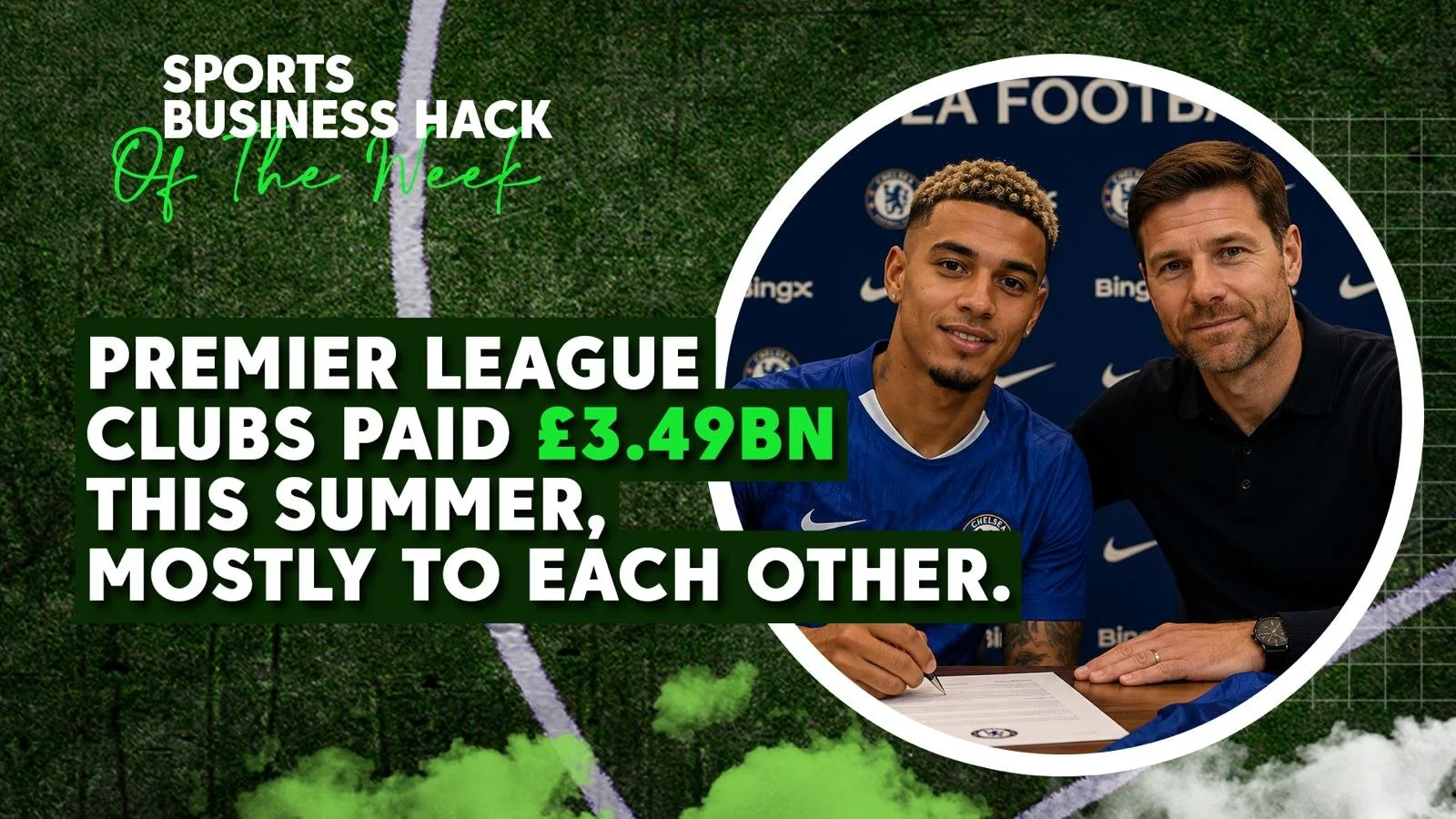
The transfer window shut at 11pm on Tuesday with a record £3.49 billion spent by Premier League clubs in one summer.
4 players moved for £100 million or more:
Enzo Fernández, Chelsea to Man City, £125M, 1st September (level with Isak as the Premier League record)
Morgan Rogers, Aston Villa to Chelsea, £117M, 21st July
Elliot Anderson, Nottingham Forest to Man City, £116M, 23rd July
Bradley Barcola, PSG to Liverpool, £106M, 31st August
*Sandro Tonali makes it 5 if his £7.5M of add-ons at Spurs are triggered.
4 of the 5 were Premier League clubs paying each other (we can see how the money now circulates).
As you already know, a transfer fee is rarely paid upfront.
*Sometimes a selling club in a bind will demand it, usually because they need to post compliant accounts (and that demand heavily reduces the total), but the standard structure is instalments over years, often interest-free, to help the buying club manage cashflow.
But here is the football finance part most of the fans skip:
A transfer is just a contract purchase (like car finance) with a player attached instead.
Once you see it that way, the transfer window makes more sense:
1️⃣ Accounting: the whole market runs on one asymmetry. A sale hits the books in full the day it completes. A purchase is spread evenly across the length of the contract. Chelsea paid £106 million for Enzo in January 2023 and handed him an 8½-year deal, so he cost them roughly £12.5 million a year on the books. On Tuesday, City paid £125 million for the same player on 5 years... £25 million a year. And when a club sells partway through, whatever's left unspread on the books is set against the fee received, and the gap lands as profit.
That's why selling a player, and then buying a near-identical one from another club, makes sense to a finance director....even when it makes no sense to a fan
Chelsea did it in this window. On the reported figures, after 3½ years roughly £62 million of Enzo was still to be written off, so selling him for £125 million books a profit of around £63 million in a single line this year.
Rogers, bought for £117 million on a 6-year deal, costs about £19.5 million a year. One £100 million player out, one in, near-neutral cash, and tens of millions of headroom.
Under the old PSR that was the whole game. Since this summer the Premier League has replaced PSR with the squad cost ratio, SCR: wages, amortised fees and agents' fees capped at 85% of football revenue plus net profit on player sales. Which means the trading game is the design, spend what your sales fund. Chelsea have been selling academy graduates for 3 years, and that's why they could spend £117 million this summer without breaking any rules (or the bank). The money circulates, and the rulebook allows it. The first window under SCR produced a spending record.
The optimised version of this is the Academy Graduate. He carries zero book value, so every pound of his fee is profit, (which is why Newcastle sold Elliot Anderson to Forest for £35 million in the June 2024 scramble). That 'loophole' hasn't been fully closed, the new rules just spread the profit across 3 years rather than one.
2️⃣ The number evolves: the headline fee is just the starting point, and actually moves in three directions.
⬇️ Down: because chunks come off before it arrives in the bank account. e.g. solidarity payments to the clubs that trained the player, training compensation, % of fee to the player, a debt set-off where the selling club borrowed against the sale years earlier (a mortgaged transfer fee), etc.
⬆️ Up: through conditional add-ons. e.g for appearances, caps, trophies, European qualification, promotion, etc. (At the £100m level these are usually priced in on the assumption they'll be hit: Barcola's £106 million becomes £123 million, Tonali's £92.5 million becomes £100 million, for example.
↪️ Backwards: years later, through sell-on clauses, which is where the smart clubs earn millions from players they sold long ago. Middlesbrough bought Morgan Rogers from Man City for just over £1 million in 2023, sold him to Villa for around £16 million 6 months later, and included a 20% sell-on into the deal on any profit Villa made. This summer that clause paid them more than £20 million of Chelsea's £117 million, believed to be the biggest sell-on fee an English club has ever received. Over £35 million from a player who spent 6 months at the Riverside.
The market has tripled in a decade, £1.17 billion in summer 2016 to £3.49 billion now, and less and less of it is a pure football decision any more.
💡 The headline fee is written for the fans. The payment schedule is written for the accountants.