
INSIDE THE DEALS
40+ sport business hacks, free to read. A new one added every week.
LATEST HACK
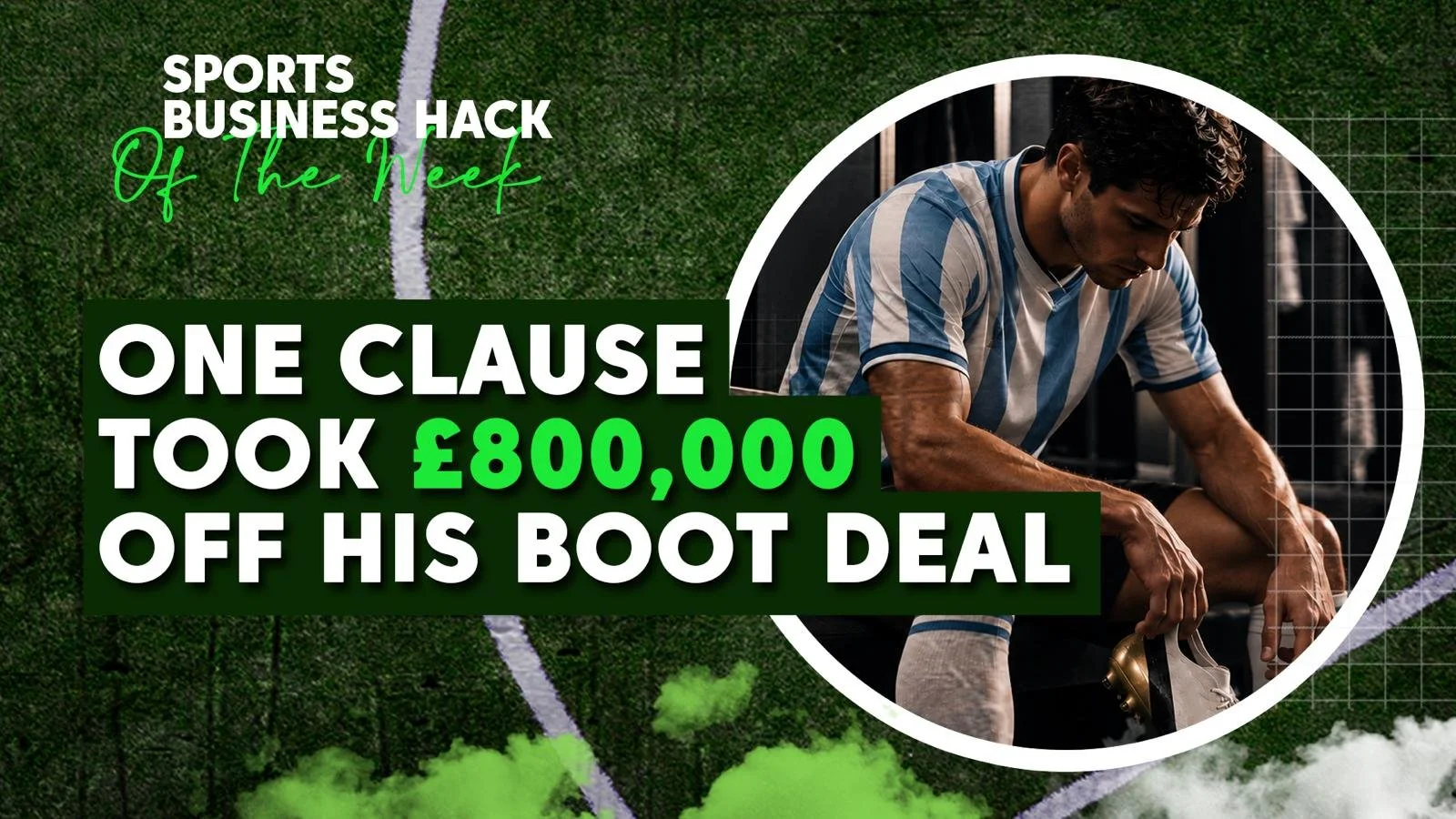
I was negotiating a boot and apparel deal with one of the biggest sportswear brands in the world for one of my players. He was at a Premier League club, knocking on the England door, and we had agreed a sizeable retainer: £400,000 per season on a 4 year deal.
We’d been going backwards and forwards on the final number for months. Finally landed on a number both sides were comfortable with. The deal was agreed.
Then the contract arrived.
Now I know that I keep banging on about how deals are built in the clauses as opposed to the headlines, and this is the perfect example, because very deep in the contract was a clause stipulating a 50% retainer reduction if the player’s club didn’t qualify for the Champions League that season.
The hack is only part of it. Subscribers also get 5 hand-picked jobs each week, the trend worth watching, and early webinar access.
I was negotiating a boot and apparel deal with one of the biggest sportswear brands in the world for one of my players. He was at a Premier League club, knocking on the England door, and we had agreed a sizeable retainer: £400,000 per season on a 4 year deal.
We’d been going backwards and forwards on the final number for months. Finally landed on a number both sides were comfortable with. The deal was agreed.
Then the contract arrived.
Now I know that I keep banging on about how deals are built in the clauses as opposed to the headlines, and this is the perfect example, because very deep in the contract was a clause stipulating a 50% retainer reduction if the player’s club didn’t qualify for the Champions League that season.
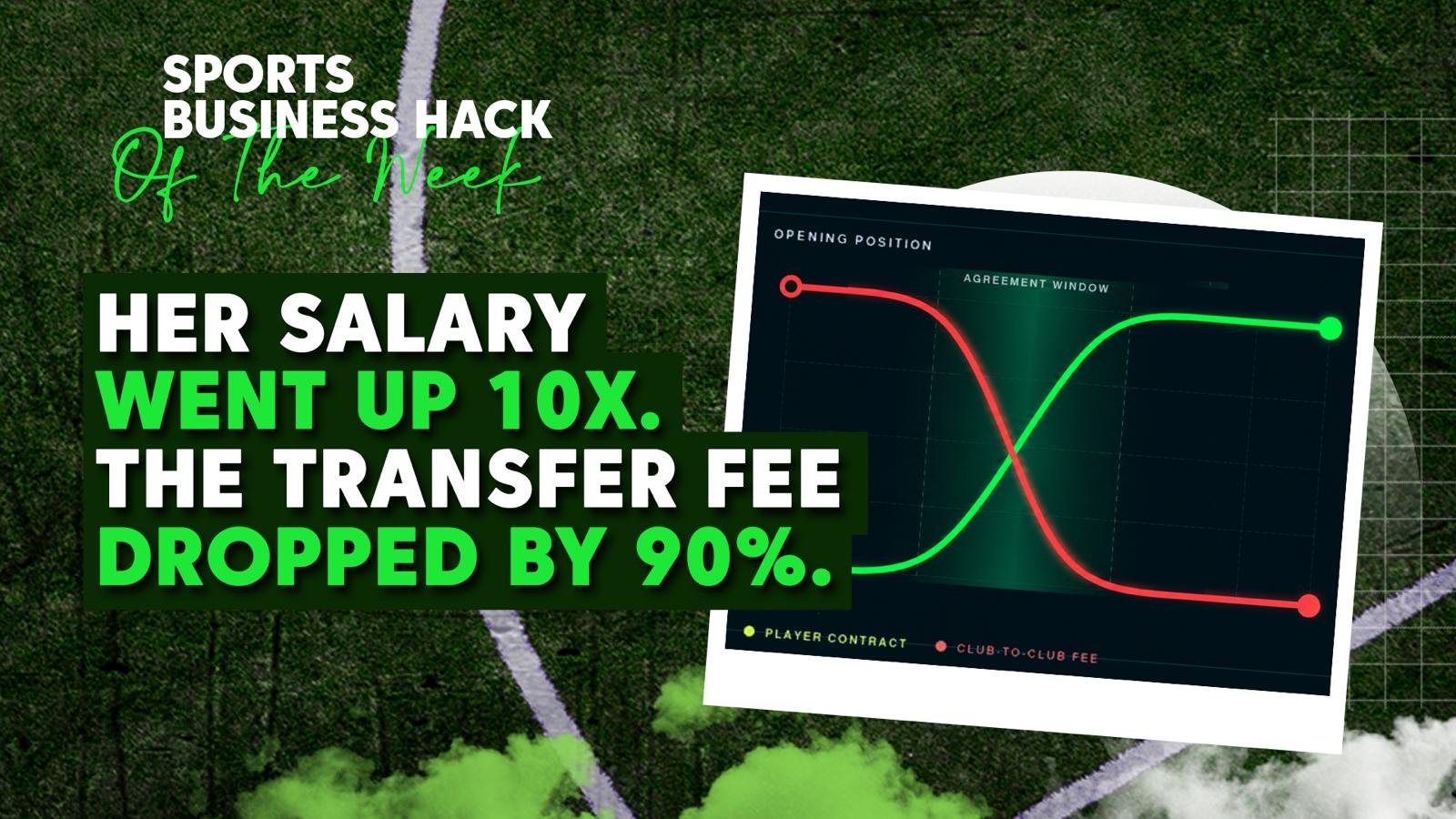
The president of a South American club was making the demands, whilst the deal on the table from a French club would multiply her salary by 10.
When we closed the deal he had settled for less than 10% of his opening ask, but it took several counter proposals and some mind games to get him there.
I was negotiating the transfer across 3 languages and 2 polarising negotiating styles.
Don't get me wrong she was a very good player. But at 18, and only just capped internationally, she was nowhere near world-record status he was demanding, and when the French club scoffed at the asking price, the president started playing games.
We often read about players forcing an exit by refusing to show up to training: (Isak at Newcastle, Wissa at Brentford, Dembélé at Dortmund). But when a club wants a player out, they'll often use every means possible too.
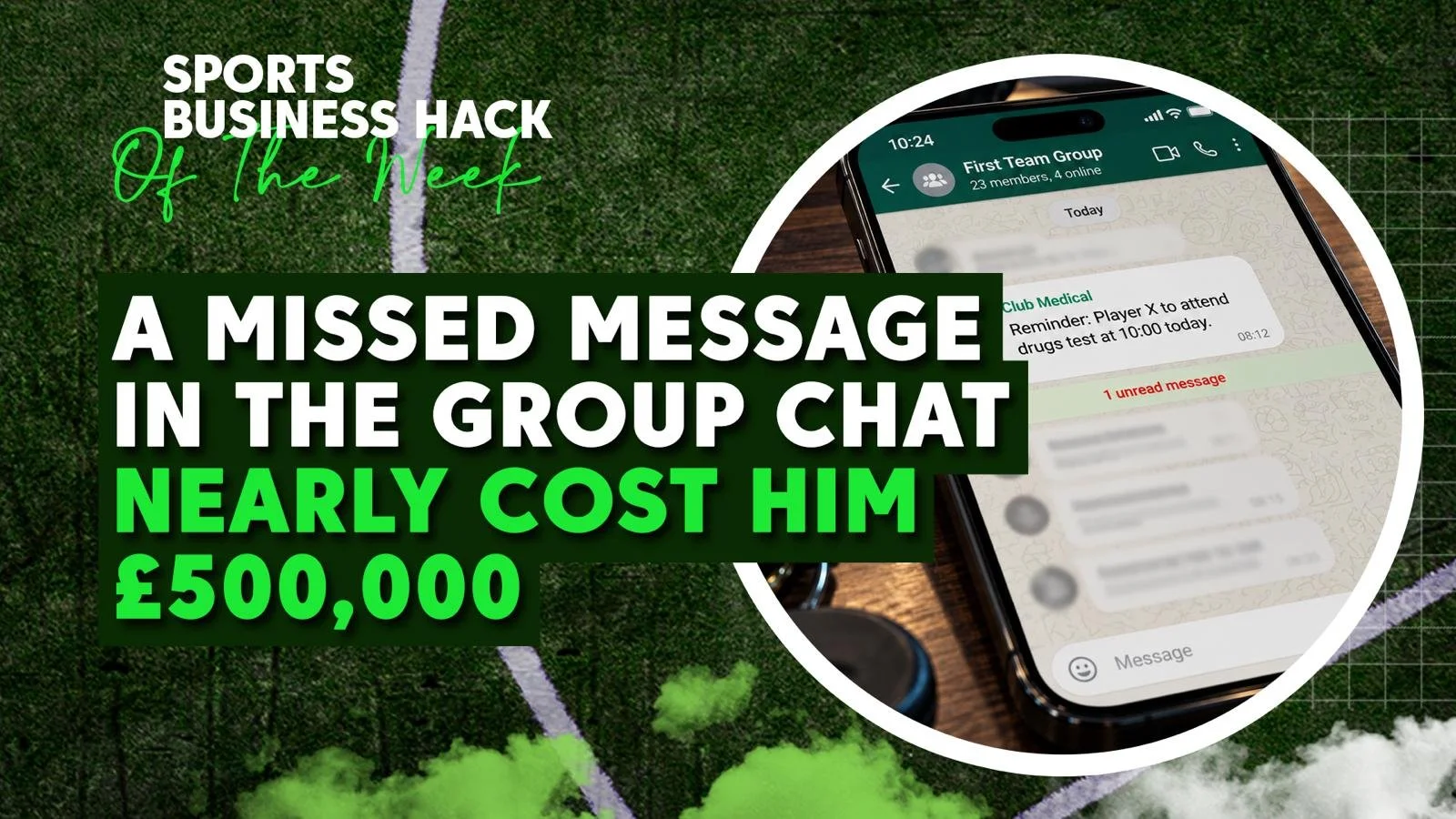
My player missed one message in the group WhatsApp, and his club tried to use it to end his contract, with £500,000 still left on it.
His name was one of around 10 named in the team whatsapp group who were messaged mid-training and told they had to stay behind for a drugs test. By the time he had showered after training the team whatsapp group had filled with other bits of banter an the usual memes, and the message in question was quite far down the scroll. My player's wife was heavily pregnant and they lived an hour from the training ground, so as soon as he'd showered he was out the door and down the motorway.
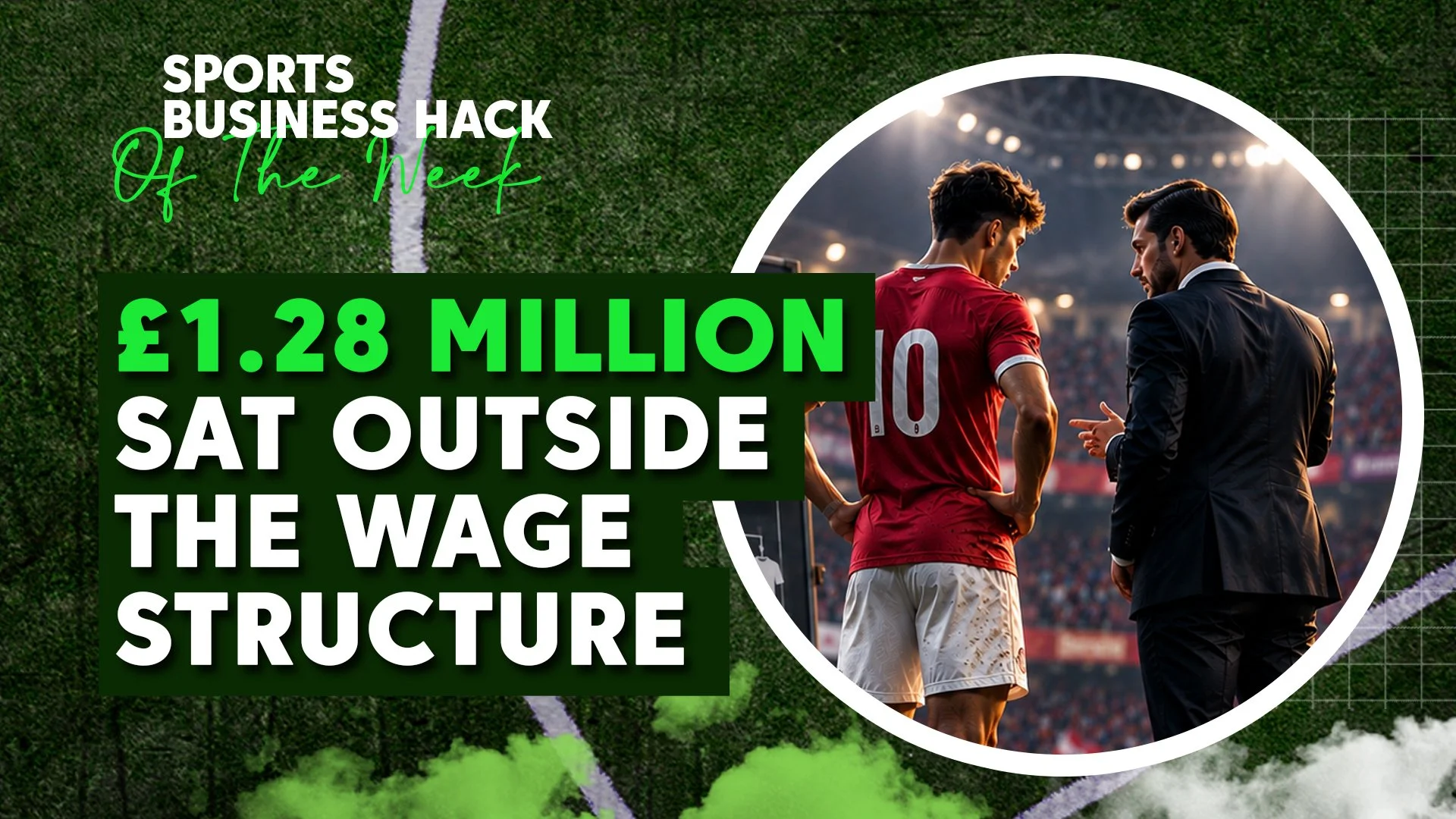
Championship clubs lost £436 million at operating level in 2024/25 (the latest season with published accounts), on £942 million of revenue, with only 1 club out of 24 (Luton Town, and only because of parachute payments) making an operating profit (Deloitte, published July 2026).
That's why every club has a wage structure.
When I was coming through the agent ranks, I worked with one of the best agents in the game at the time.
He was hyper-aggressive with clubs. Every clause was a fight, and for quite a few years the strategy held together well: he got the best deals, so he got the best players, and because he had the best players the clubs had to deal with him whether they liked it or not.

KSI bought 20% of Dagenham & Redbridge in March, announced the Premier League as the target and started filming a docuseries for his 17 million YouTube subscribers. In April Tony Fernandes, the Malaysian entrepreneur who built AirAsia and owned QPR from 2011 to 2018, bought 40%.
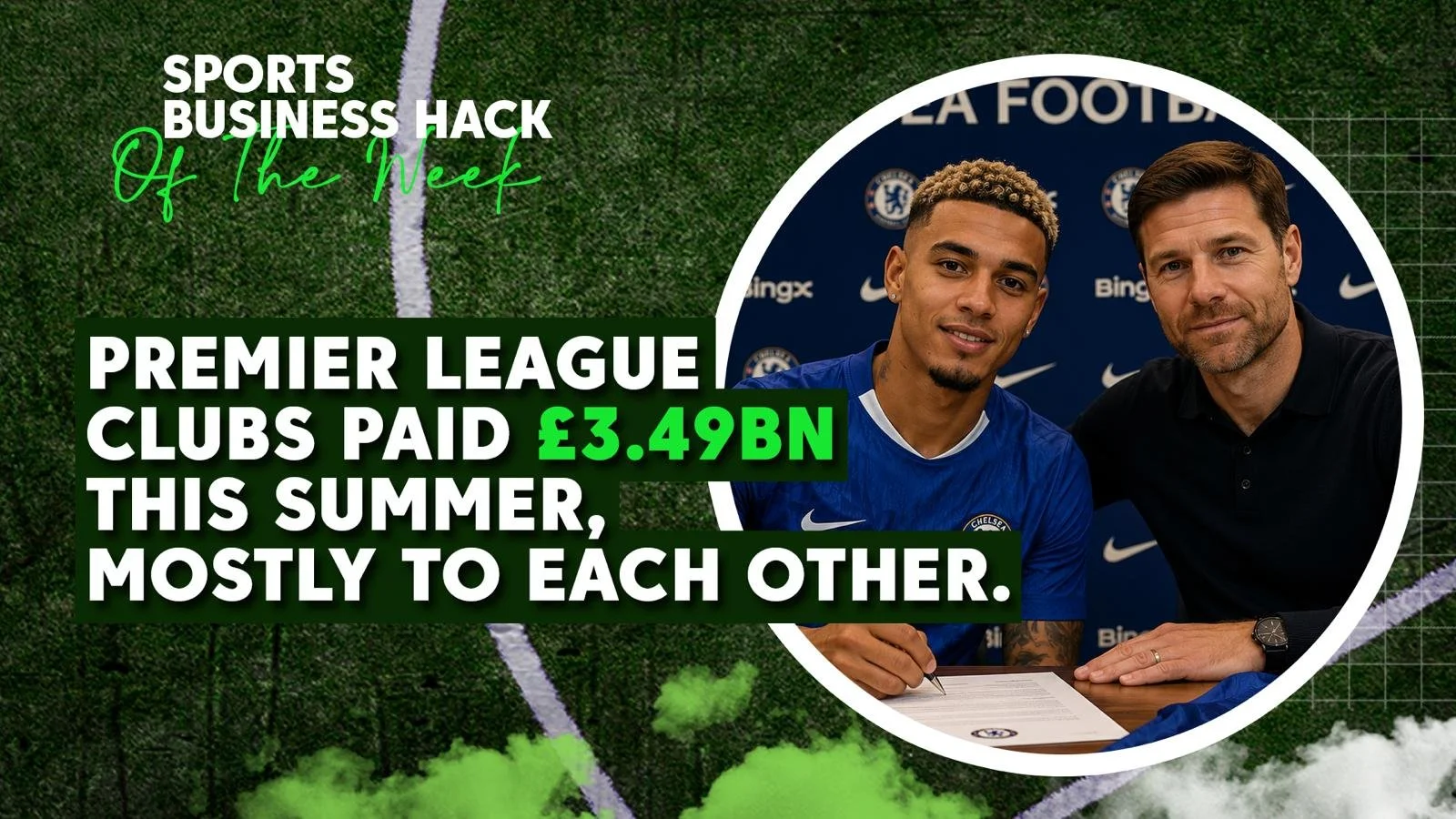
The transfer window shut at 11pm on Tuesday with a record £3.49 billion spent by Premier League clubs in one summer.
4 players moved for £100 million or more:
Enzo Fernández, Chelsea to Man City, £125M, 1st September (level with Isak as the Premier League record)
Morgan Rogers, Aston Villa to Chelsea, £117M, 21st July
Elliot Anderson, Nottingham Forest to Man City, £116M, 23rd July
Bradley Barcola, PSG to Liverpool, £106M, 31st August
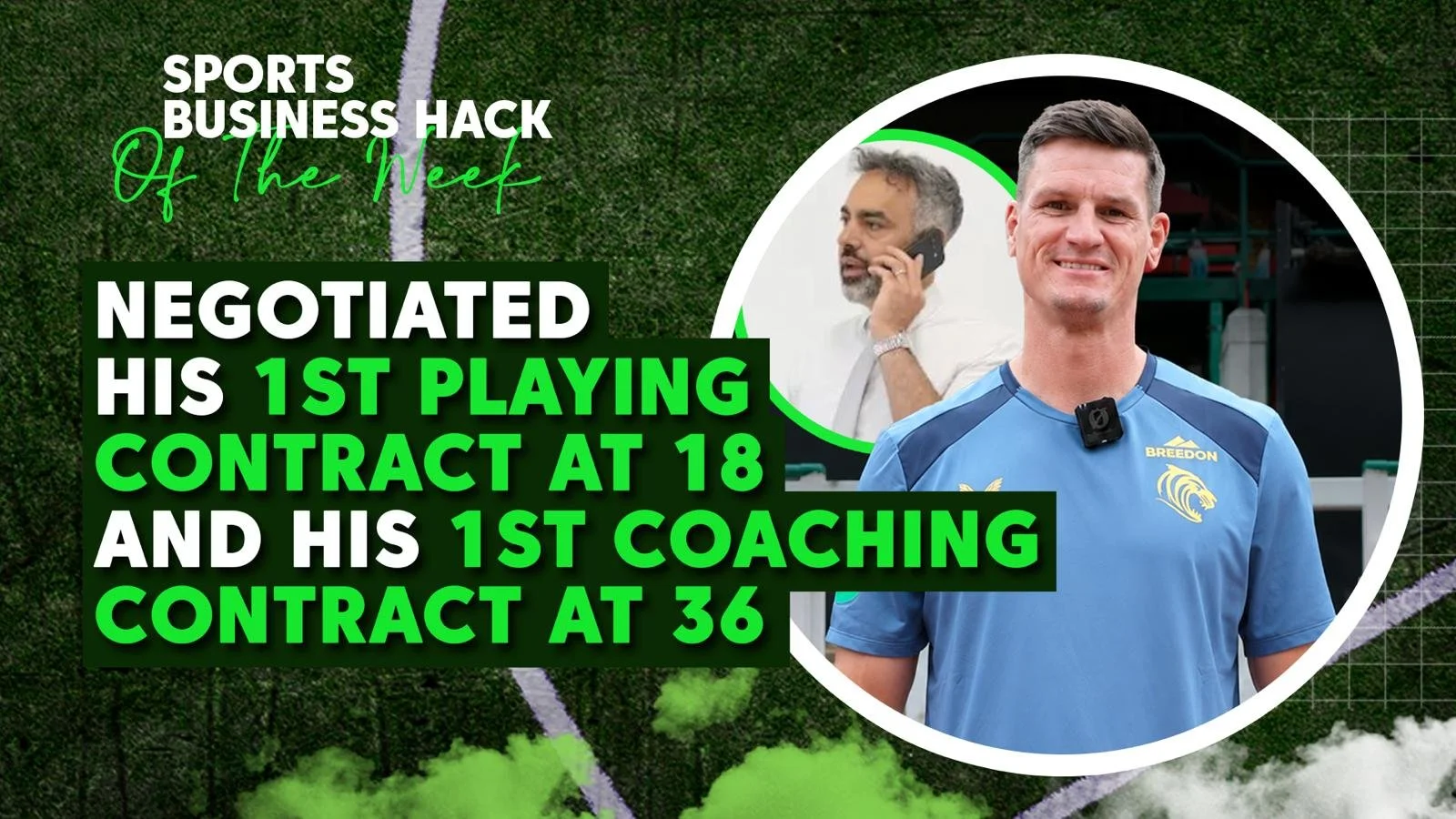
It was Freddie Burns' return to Leicester Tigers, as their new kicking and skills coach.
In 19 years as an agent, I'd never done one before. Most agents go a whole career without one, for 2 reasons:
1️⃣ Very few players ever make it to coaching status; and
2️⃣ For most agents, the relationship ends when the easy playing money does. The commission stops, the phone goes cold, and player finds out what his representation was really worth.
I signed Freddie when he was 18 and I was 27, the first client through the door when I set up my own agency, International Sports Consulting
It's a Tuesday in January. A Premier League midfielder gets back from training, makes a coffee and goes through his post at the kitchen counter.
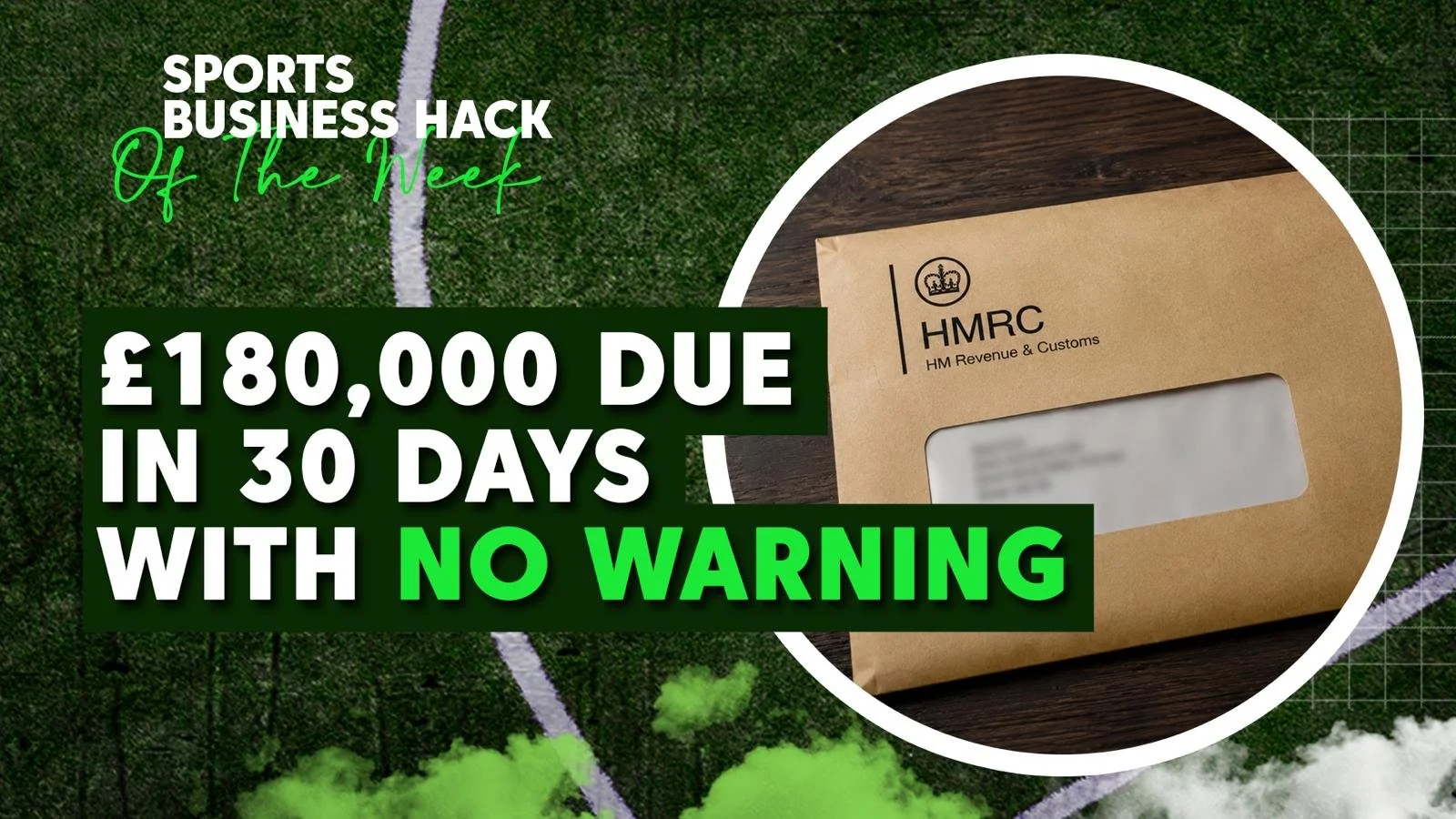
There's one brown envelope with HMRC printed across the top.
It's a demand for £180,000. Due within 30 days!
He opens his banking app and there's no extra income it's taxing. No payment, no invoice, nothing.
So he calls his accountant, who checks and calls back with the worst answer: it's real.
The bill is for money he never received. It's for his agent's commission, paid straight from the club to the agency, in the transfer he signed 18 months ago. HMRC taxed him for it, and nobody had warned him it was coming.
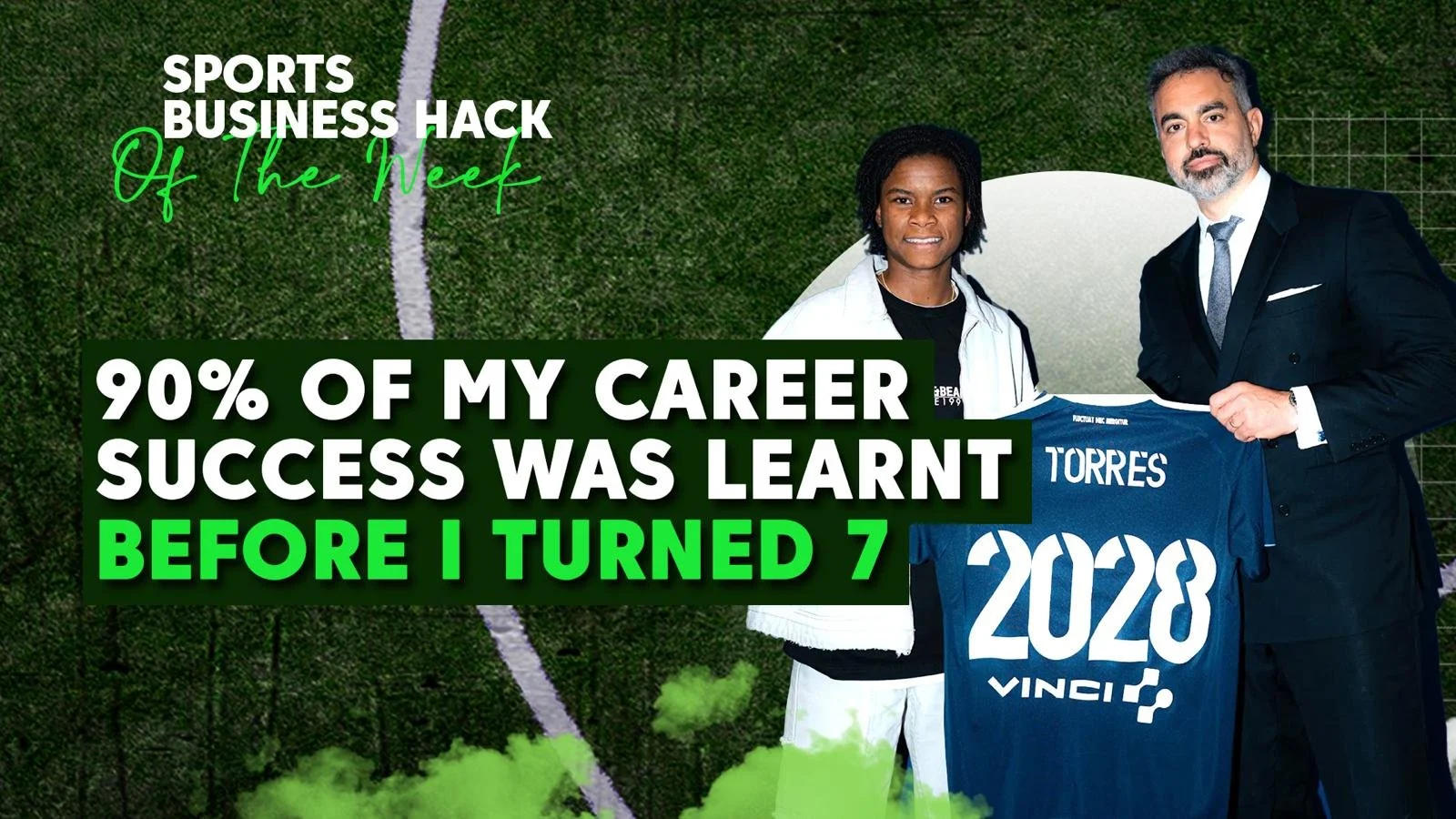
In many cross-border transfers, the two clubs can't really communicate with each other. Other than the universally understood numbers, every clause, every interpretation, every objection travels through whoever sits in the middle.
In many of my biggest deals, that seat belonged to me.
And I got that seat for nothing. My parents moved us to France when I was 4 and Spain when I was 6. I hated those first weeks in a French nursery, understanding nobody, and then again in Spanish school. But....by 7 I was trilingual, and I can attribute 90% of my career success to what happened before that seventh birthday.
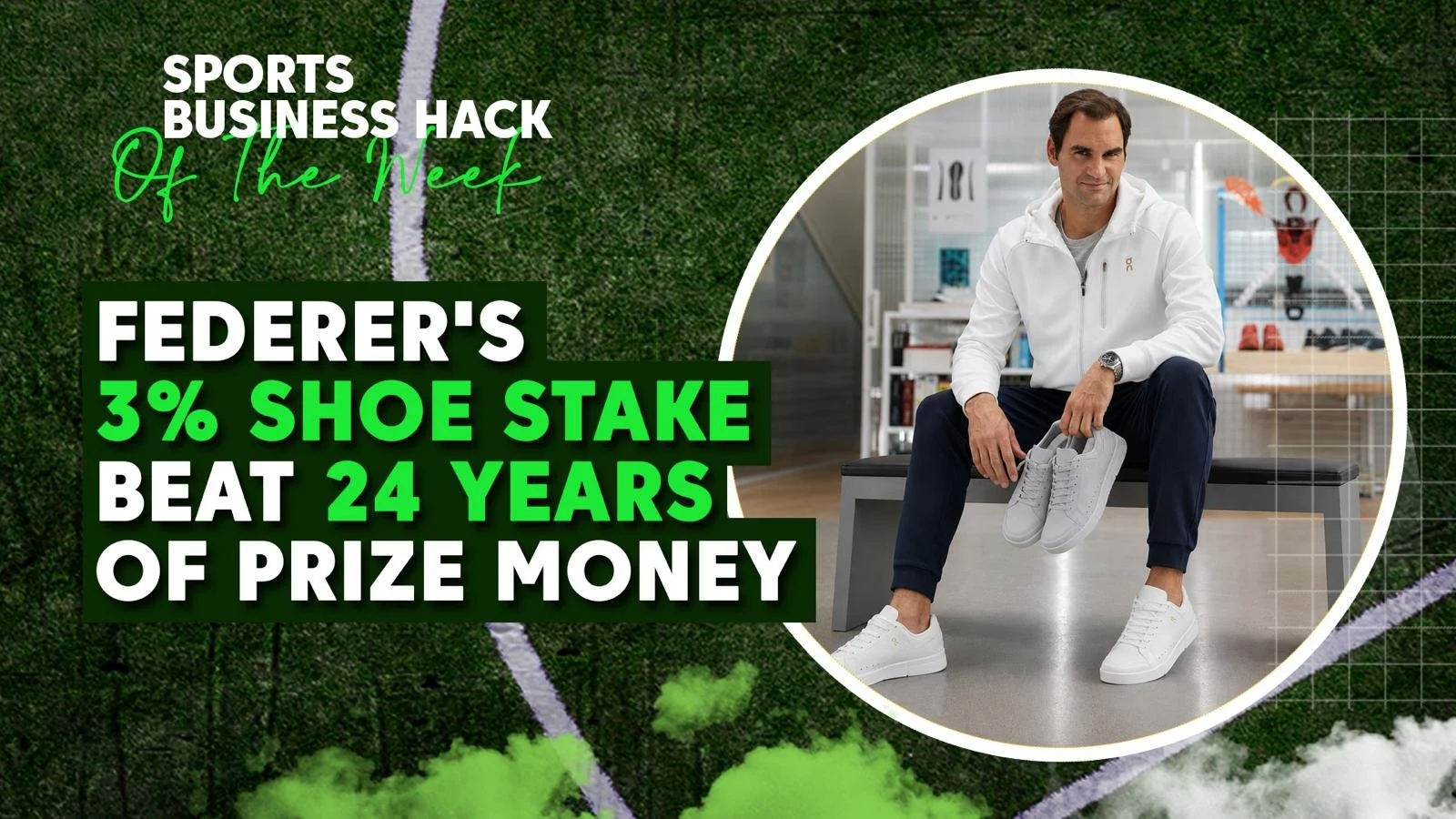
When On Running approached Roger Federer about being an ambassador, rather than taking a fee, he put $50 million of his own money into the business at preferential valuation rates.
His 3% stake was worth over $360 million when On listed in 2021, nearly 3 times the $130 million he earned in prize money across 24 years of tennis. By 2025 it was reportedly closing in on $500 million.
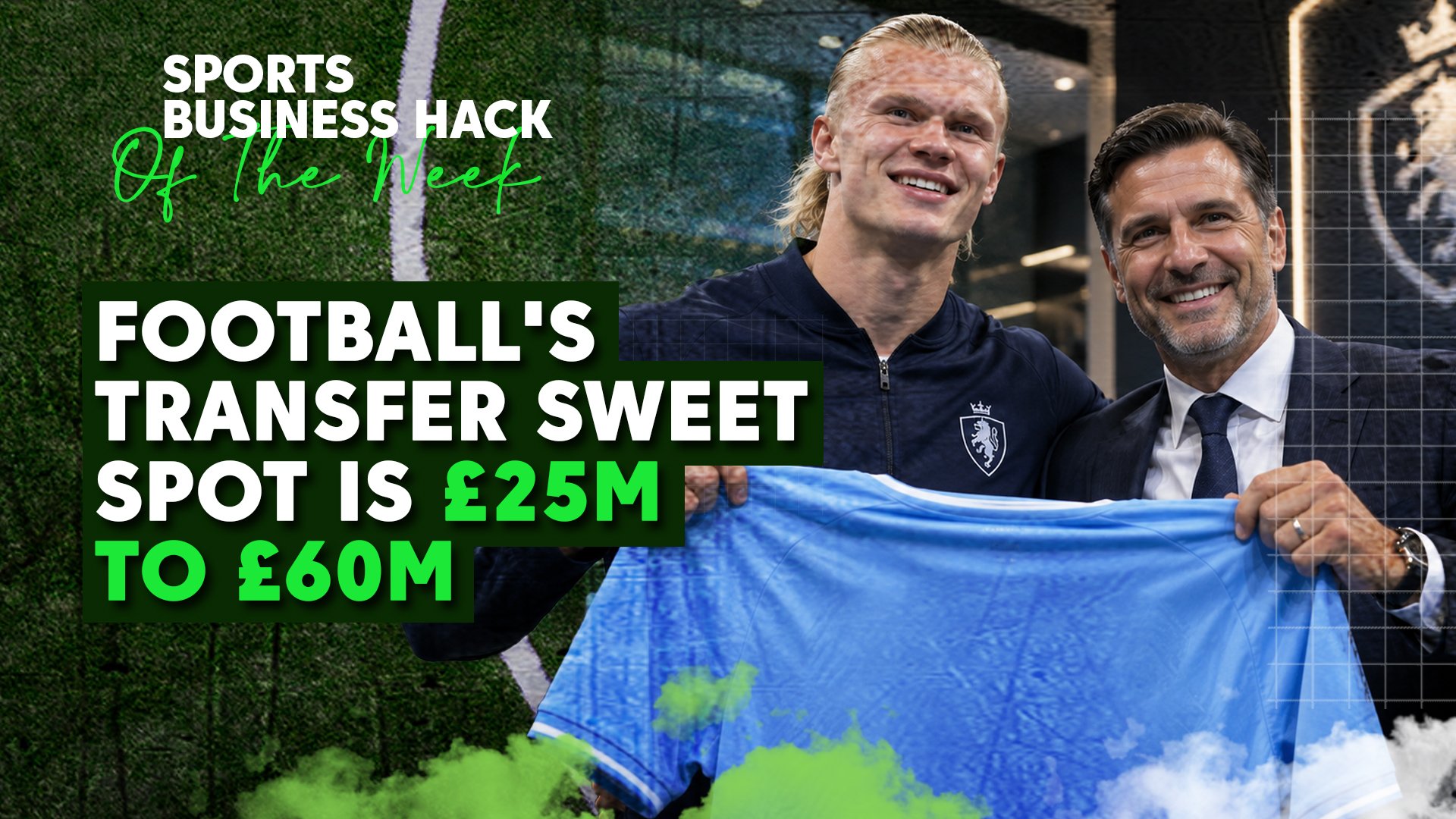
The 2026 summer transfer window started with a bang. The British transfer record broken twice in 3 weeks, Manchester City for Elliot Anderson, then Chelsea for Morgan Rogers, and Spurs have paid a club record for Sandro Tonali.
It's too early to judge the value on those 3 at this stage, but the £60 million-plus signings that came before them unfortunately have a pattern.
I once lost a Premier League transfer because of a single screenshot.
I was negotiating on behalf of a French agent with a Premier League club for a top international midfielder.
The backdrop to this was that the player also had a very strong offer from a big Bundesliga club but from out side, everything was verbally agreed: the transfer fee, the wages, the agents's fee, etc.

Here's an example that helps you understand the mindset of Premier League players who are already on several million pounds a year.
Offer one of them a £200,000 pay rise (an extra £4k per week)
Or offer him an unpaid Rolex ambassador deal, with a £50,000 watch gifted to him as part of a 3-year agreement.
Most people reading this are certain they'd take the money. Almost every player takes the commercial deal.

I was closing a Premiership deal for a player when I found a single line, buried deep in the sub-clauses of a side document, that could have terminated his entire contract.

The transfer window is open and release clauses are being tested all over Europe right now. Every deal you'll read about this summer was agreed on its headline terms. A fee, a salary, a start date. Whether it actually completes is decided in the wording underneath, and that wording is where smart agents earn their stripes.
I'll unpack 3 parts of a release clause that few people scrutinise properly, and how each one can change a deal completely.