
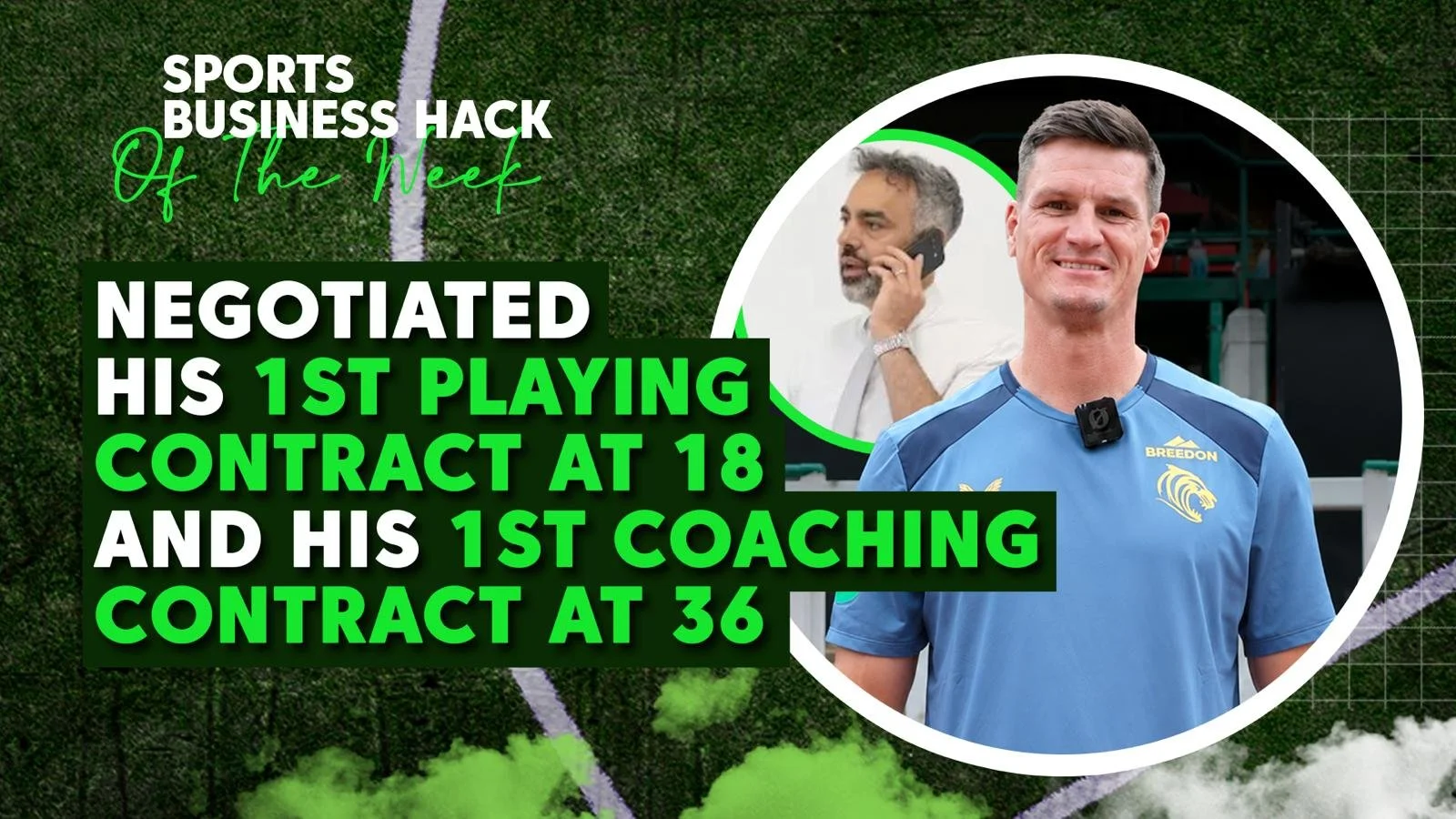
It was Freddie Burns' return to Leicester Tigers, as their new kicking and skills coach.
In 19 years as an agent, I'd never done one before. Most agents go a whole career without one, for 2 reasons:
1️⃣ Very few players ever make it to coaching status; and
2️⃣ For most agents, the relationship ends when the easy playing money does. The commission stops, the phone goes cold, and player finds out what his representation was really worth.
I signed Freddie when he was 18 and I was 27, the first client through the door when I set up my own agency, International Sports Consulting
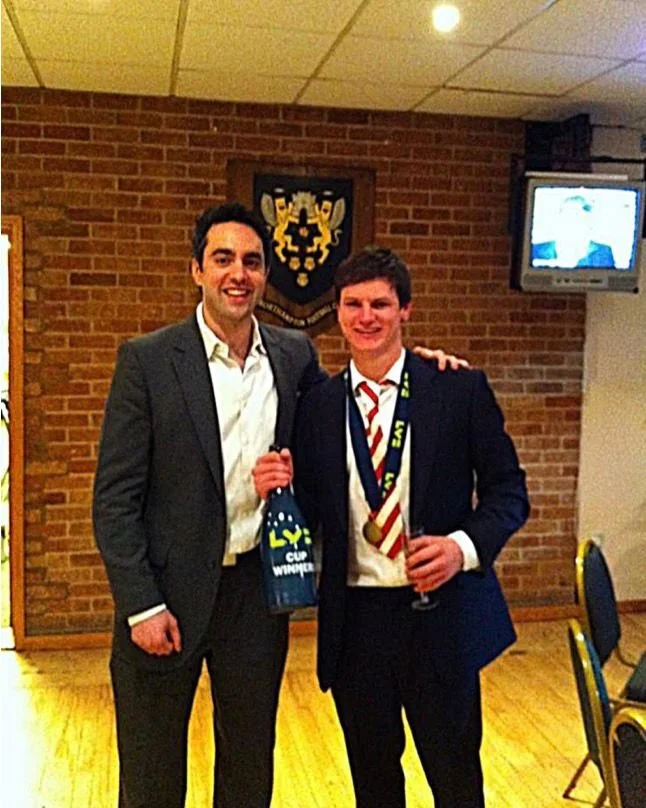
Gloucester’s LV Cup Win, March 2011
In the 18 years between his Gloucester academy contract and this week's coaching contract, I've negotiated every deal of his career, across England, New Zealand, Japan and Romania. The move to Leicester that made him one of the highest-paid players in the league.
114 appearances and 794 points in a Tigers shirt.
5 England caps,
a Premiership title,
a Premiership Golden Boot,
2 Anglo-Welsh Cups,
2 Japanese Golden Boots...
and a last-minute drop goal at Twickenham to win the 2022 final, one of the highlights of the club's history.
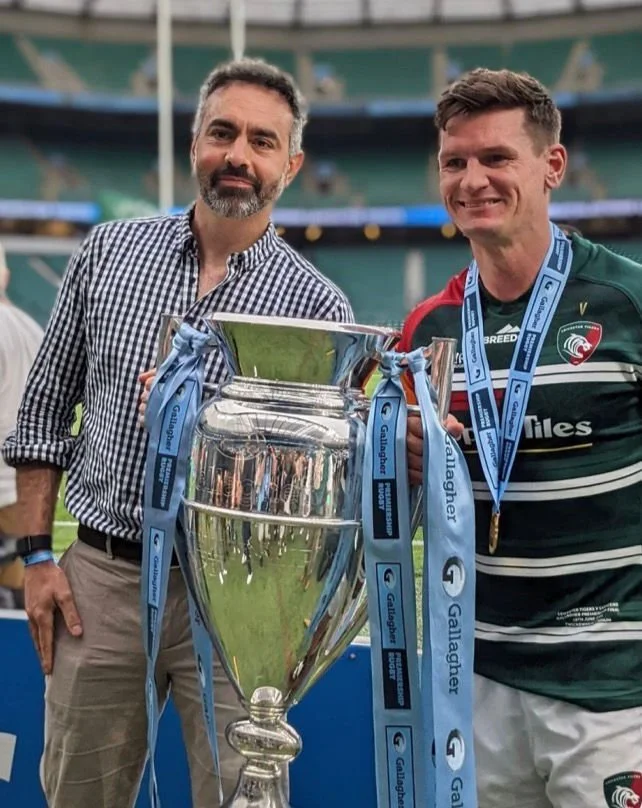
Premiership champions at Twickenham, June 2022
The usual reality is that hardest deal of a player's career is the one that comes after their last game. And almost nobody in the industry is there to do it well.
Because here's the reality most professionals are heading towards:
The end usually arrives 2 or 3 years before the player expects it:
A body that forced the decision before the mind had accepted it,
a renewal offer that never came, or even
a new coach with different plans. (I've taken that phone call more than once).
In rugby, the money rarely buys enough time to figure it out either. I don't believe there's ever been a rugby player who earned enough from playing to never work again. Football pays far more, and XPro, a charity set up for former players, still estimated that 40% go bankrupt within 5 years of retirement.
Most players think they're heading for the same post playing career:
1️⃣ Coaching: but PREM Rugby only has 10 clubs. Each carries a squad of 40-plus players and a coaching staff you can count on 2 hands, so the first rung is usually the Championship, National League 1, or a rugby school. Even the man whose job Freddie is replacing, Alex Davies, waited 3 years between his last game and that job.
2️⃣ Commentary: significantly fewer seats still. They're held by the O'Driscolls, Dallaglios and Warburtons of the world, Ugo Monye is the most recent to graduate from playing into one of them, and the likes of Danny Care are already knocking on the door.
Here's another element that agents don't often talk about:
You sign your first wave of players when they're 17, 18, 19, when you have endless energy and you're at 2/3 games every week of the season. You build your core of clients and grow through their careers alongside them. Then that core reaches 32, 33, and starts retiring...
And the agent either fizzles out with them, or has been succession planning and signing the next wave, knowing they're committing to another 15 years of a gruelling job that runs 24/7 through every evening and weekend. Most fizzle out, and the phone goes cold.
Which is what makes Freddie's move a great case study.
He could have kept playing. He's 36, in great shape, and fly half is a position you learn to play with your brain as the years pass. Another year or 2 of good money was there for him.
But he walked away from it to join the bottom rung of a the next ladder.
The apprenticeship was already banked with the player-coach role at Dinamo Bucharest which opened up unexpectedly when the backs coach departed in his first season. He banked a season of coaching experience, earned while he was still being paid to play.
And look at the club he's walking into:
The club thats competing at the top of the highest league & Europe
A head coach in Geoff Parling he played alongside at Welford Road.
A city he knows, and a fanbase that still adores him.
A role with pressure, but also a rare degree of protection for a 1st coaching job, because the kicking coach doesn't carry the blame on a losing weekend.
When the opportunity came, we went through all the pros and cons (just like i did with his brother, Billy Burns, before his move to Ulster) with his family and the people closest to him, and it ended up being a no-brainer.
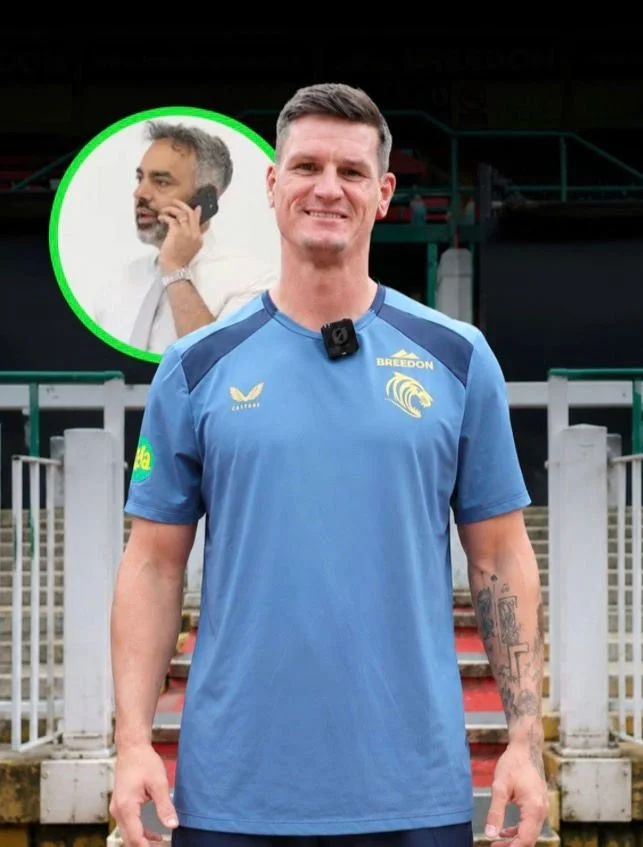
Back at Leicester Tigers as kicking and skills coach, August 2026
On a personal note, Freddie's become a great friend over 18 years, and I've missed having him in the same country for most of the last 5. It'll be good to have him back, and to see more of him.
💡 Signing a player at 18 is the easy part. Every contract after that gets bigger, the commissions follow, and everyone wants the seat next to him. The measure of an agent is who's still doing the deals 18 years later, when the contracts on the table pay less but mean more.
📍If you like these insights and want to get into or progress up the sports industry, I'm hosting a free live webinar:
Get a Job in the Sports Industry Before 2026 Is Over
Wednesday 2nd September at 5pm UK time.
For future agents, managers, coaches and commercial people, this is the route in.