
You can count the EPL’s £60m+ successful signings on one hand.
The 2026 summer transfer window started with a bang. The British transfer record broken twice in 3 weeks, Manchester City for Elliot Anderson, then Chelsea for Morgan Rogers, and Spurs have paid a club record for Sandro Tonali.
It's tooearly to judge the value on those 3 at this stage, but the £60 million-plus signings that came before them unfortunately have a pattern.
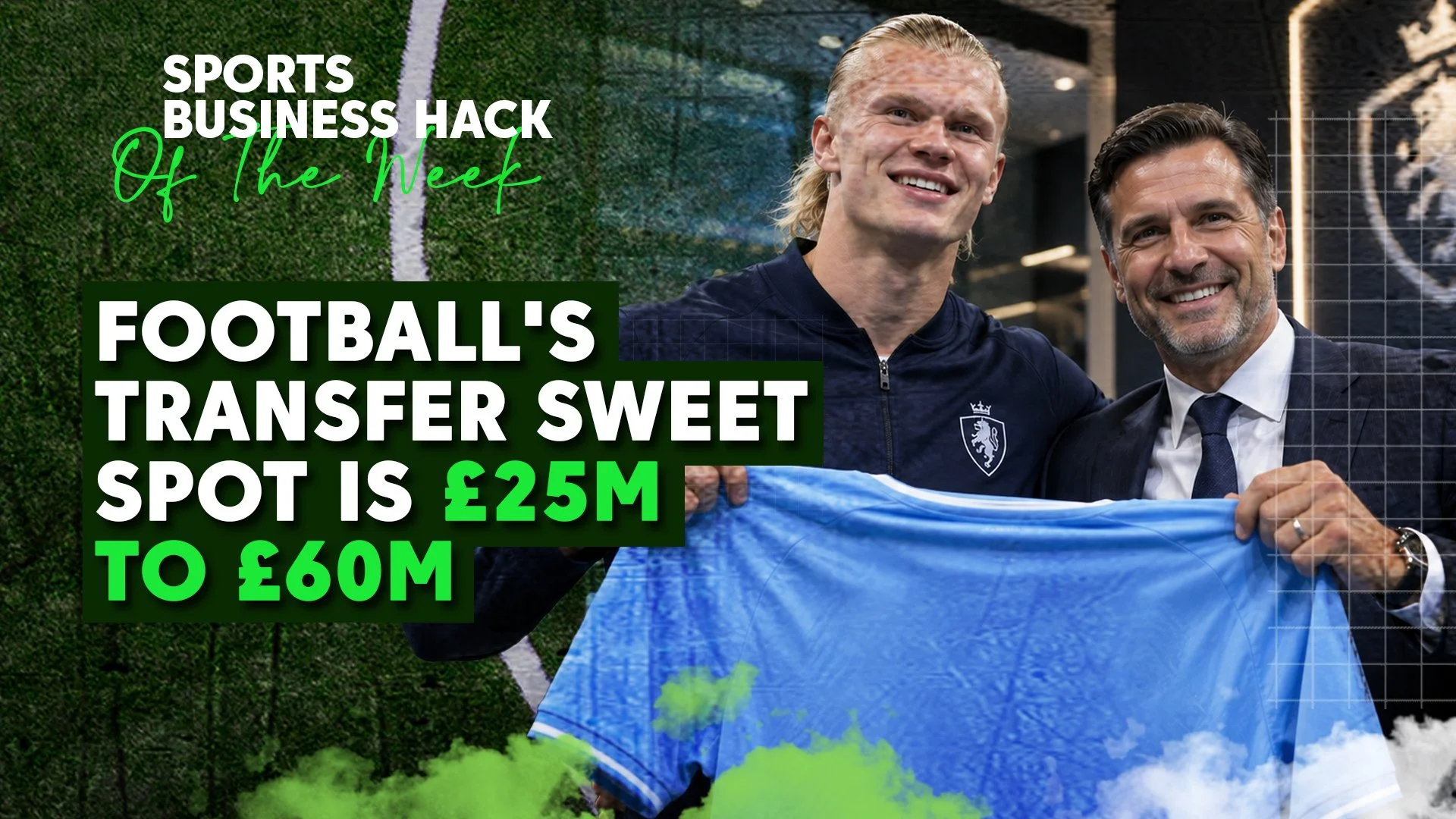
The best value in the transfer market lives underneath the headlines, in a band roughly between £25 million and £60 million.
This is the band that bought Salah for £36.9M, Mané for £34M, De Bruyne for £55M, Bruno Fernandes for £47M, Cole Palmer for £42.5M, Haaland on a £51.2M...and the list goes on.
1st reason is accounting: A fee in that range amortises at somewhere between £5 million and £12 million a year across the contract, so it's affordable within the accounts without risking the whole season on one player.
2nd reason is choice: At that level there are far more players in range, so a club can be selective. They can watch a target 5 or 6 times, do proper due diligence on his personality, his background, his family and how he'll adapt, and still have 9 other options if the checks don't stack up or a deal falls through.
Now run through the signings Premier League clubs have made at £60 million and above since the £89 million Pogba deal re-set the market in 2016.
The success percentage up there is brutal.
Start with the wins....Van Dijk at £75 million rebuilt Liverpool's spine. Rice at £105 million was elite from his first month at Arsenal. Caicedo took a season to grow into £115 million and is now being called the best midfielder in the league, voted players' player and fans' player of the season at Chelsea. But after that, the pattern becomes clear and the list runs 3X as long...
Pogba himself walked out of United on a free 6 years after paying the world-record fee. Lukaku cost 2 different clubs more than £170 million between them. Kepa, Mudryk and Fofana at Chelsea, Pépé at Arsenal, Sancho at Manchester United, Núñez at Liverpool, and Antony: £82 million in, 2 goal involvements in 1,460 league minutes, then sold to Real Betis at a loss of more than £60 million.
There's a debatable middle as well, Grealish and Casemiro won trophies before fading, but a list where the negative and debatable cases outnumber the clear wins is telling you something.
Alexander Isak shows both sides of the bracket:
Newcastle signed him for just under £60 million and got 3 years of fantastic attacking play: 54 Premier League goals in 86 games, and 27 goals in all competitions in his final season alone.
Then they sold him for £125 million, and Liverpool haven't seen the same player since, 3 league goals in an injury-wrecked first year.
Same man, 2 different fees. Inside the band he made his club a fortune. Outside it, he's a record signing under a record weight.
One of the main reasons is optionality:
Once fees push far beyond £60 million, into the £80 to £90 million-plus bracket, the club is boxed into the one or two players who happen to be available, fit the system, want to come, and where the huge finances are agreeable between all parties (player, agent, clubs, sponsors, etc).
There are few alternatives at that level, and everyone on the other side of the table knows it. The industry has moved on since Barcelona paid £142 million for Coutinho, but that deal is still the reference for what a major misalignment of value looks like when a club negotiates with no way out.
Below the £25M band, the £5-£15M bracket, sits a list full of players who either haven't proved themselves yet, whose ability isn't there, or who are past their best. The challenge of buying in that market is trying to eke out undiscovered or unrealised talent.
Get it right and it's spectacular.
Kanté cost Leicester £5.6 million and won the title twice in 2 seasons. The same Coutinho that Barcelona overpaid for had arrived at Liverpool for £8.5 million.
There's real value down there for sure, but the success percentage is far lower, for the opposite reason to the top of the market: the risk sits in the player rather than the fee.
Then there are the free transfers:
Usually the result of clever engineering by the player and his agent, which is how Konaté left Liverpool for Real Madrid, Andy Robertson joined Tottenham, and John Stones, after a decade and multiple titles at Manchester City, signed for Inter Milan this week.
💡 Lesson - this runs through every deal I've negotiated, on either side of the table. The side with options concedes less, waits longer and pays closer to their number. The side locked onto one outcome pays whatever it takes. The strongest position in any negotiation is having somewhere else to go.