
Sudden wealth destroys more careers than injury.
I represented an 18-year-old striker at a top Premier League club. He was living in a shared academy housing, eating meals from the club cafeteria. A lovely young man, humble, family focused, and had all the attributes to become a great player.
That summer, a Championship club wanted him on loan. They considered him too small, too young, not experienced enough. It looked like another season in the under-21s.
Then the club changed manager. The new manager preferred a formation and playing philosophy that suited him. He liked working with young players. So he took him on the pre-season tour with the 1st team. My player started 2 of the 3 games and did well. Within weeks it was clear he’d be part of the 1st team squad that season.

The deal every young player is desperate to sign.
This one goes out to every athlete manager, athlete, and parent of a young athlete. The wording of your commercial endorsements could cost you far more than you think.
When a young footballer signs their first boot deal, everyone around them is excited. The player, the agent, the family. It feels like a rite of passage, a sign that they've made it. It separates them from the players who don't have one, it's a status symbol.
And in that eagerness to get it signed, the player, in the absence of good advice, often ends up giving away the majority of their commercial inventory in a contract that also doesn't even reflect their increase in value as their profile grows.
The wage structure that only exists in writing
I represented a player at a Championship club. A powerful, goal-scoring, target man striker, several international caps for his country, a real handful for opposition defenders.
At this club, there were no players on a salary of more than £20,000 per week. Yet my player was on £26,000 per week.
Both of those positions are true and accurate, and not mutually exclusive. How?
If you're representing players, knowing how and why is non-negotiable for you to be successful.

Si vis pacem, para bellum. If you want peace, prepare for war.
That's the mantra of Juan de Dios Crespo, the most decorated sports lawyer on the planet, and he told us at The Game Plan - Sports Business Accelerator how used it to handle the largest transfer in football history when it started falling apart in front of him.
In sport, the sequel is the proof.
Your first client is the result of the years of preparation, energy, and drive to get into this industry. There's something of a debut album about it. All the experiences, your conversations and setbacks you absorbed on the way are poured into that first signing. When they say yes, it's a relief, and you're finally in the industry. Then the energy just dissipates, and the real work begins.
Anatomy of a football transfer.
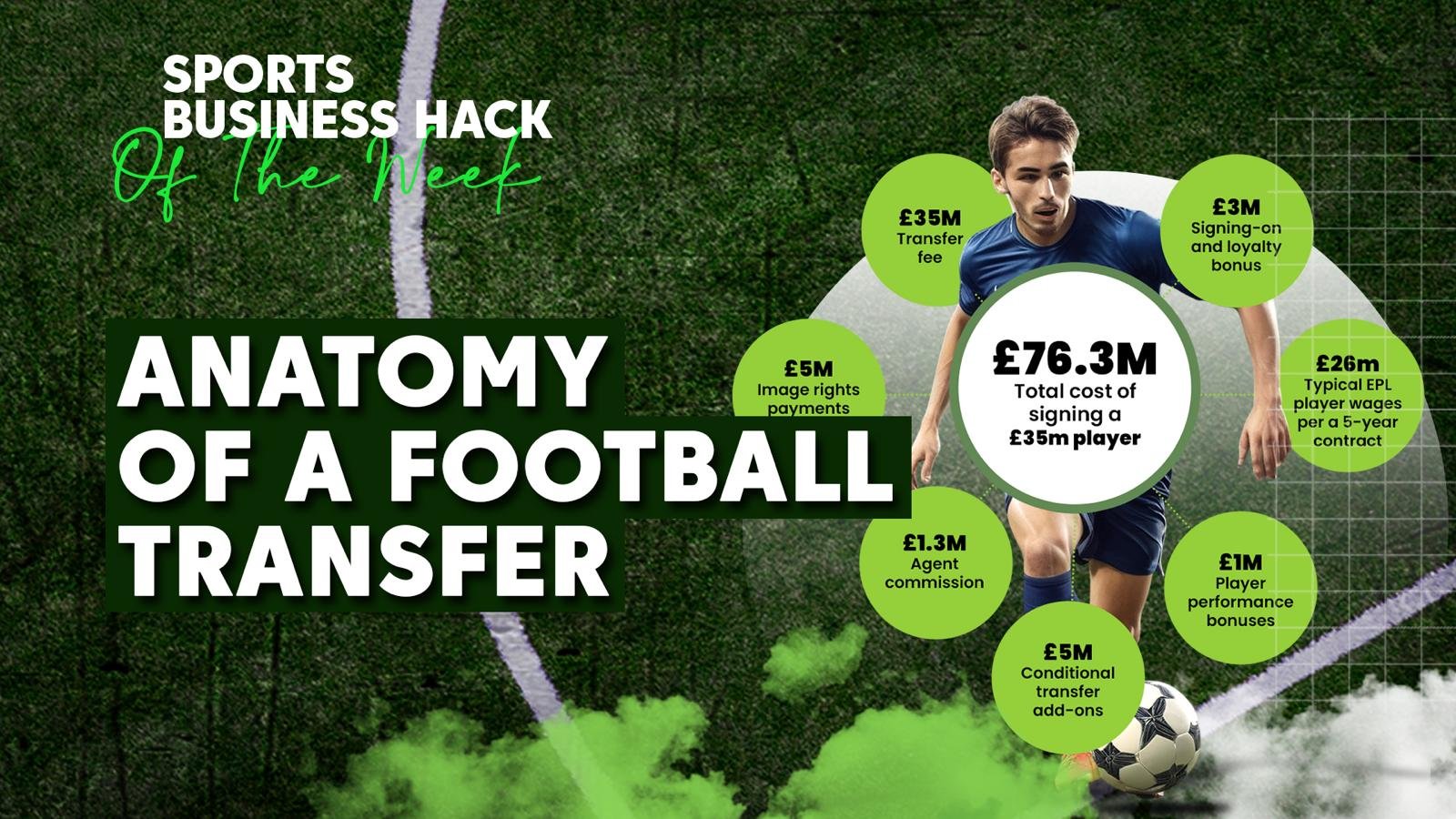
This week I'm going to break down how a £35 million Premier League transfer is really structured. Once you see the full picture, you won't look at a newspaper-reported transfer fee in the same way again.
When you see a Premier League transfer announced at £35 million, you're seeing one aspect of a complicated and moving negotiation, built of multiple contracts and structures that sit alongside it.

The email that changed my transfer window.
In my early years as a sports agent, I'd been building a relationship with a very successful Spanish agent for several years. Whenever he flew to England I'd pick him up from the airport, drive him to games, and as a Spanish speaker myself I could translate documents or conversations for him. I did it because I knew I could learn more sitting next to him for a few hours than I could in a month on my own. He had elite players and decades of deal experience. I had a car and three languages.
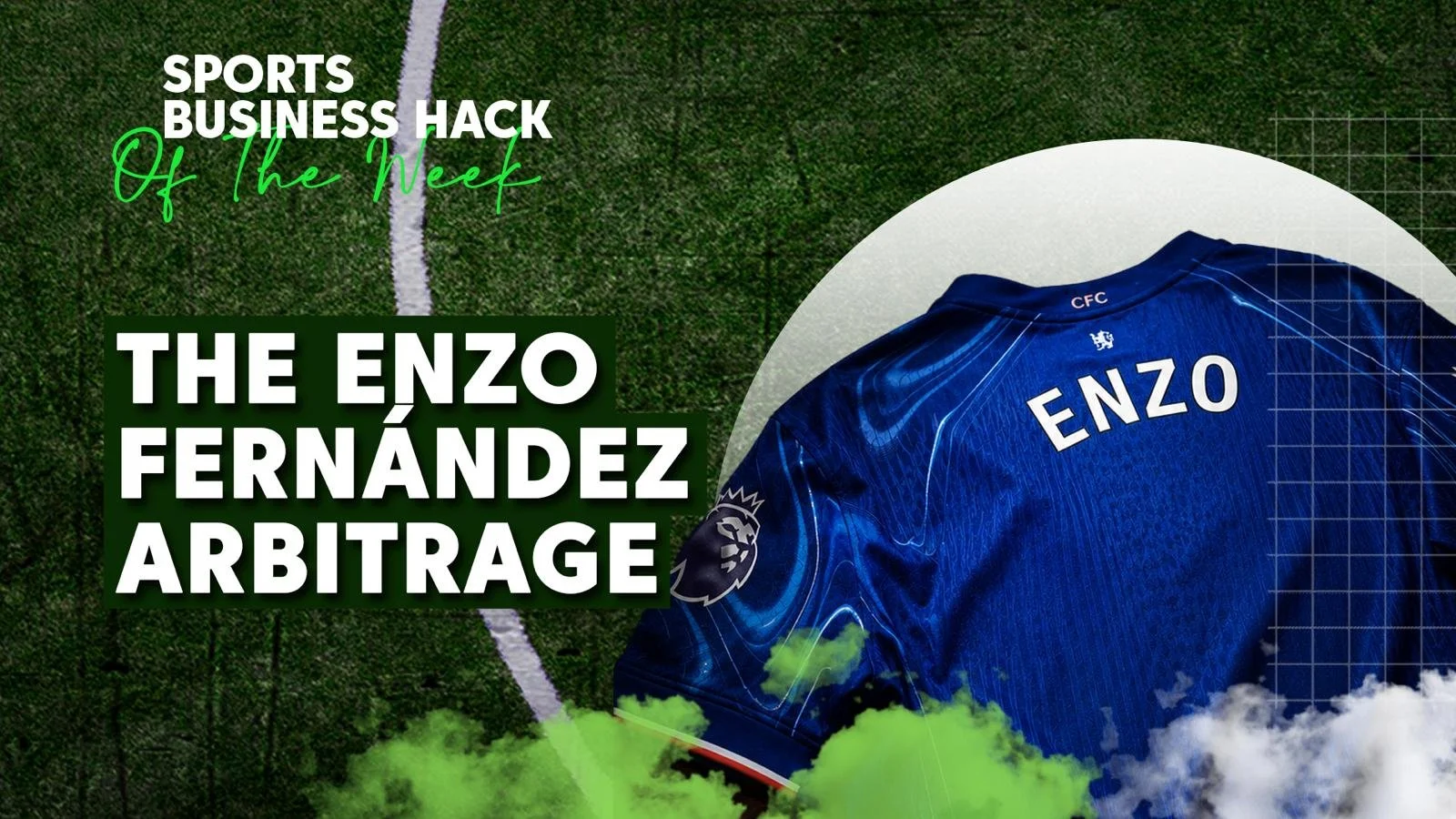
The Enzo Fernandez arbitrage.
£10 million to £106 million in six months
On 7 July 2022, Benfica paid River Plate £10 million for a 21-year-old central midfielder. On 31 January 2023 (deadline day), Chelsea paid Benfica £106.8 million for the same player.
Six months. A tenfold difference in valuation.
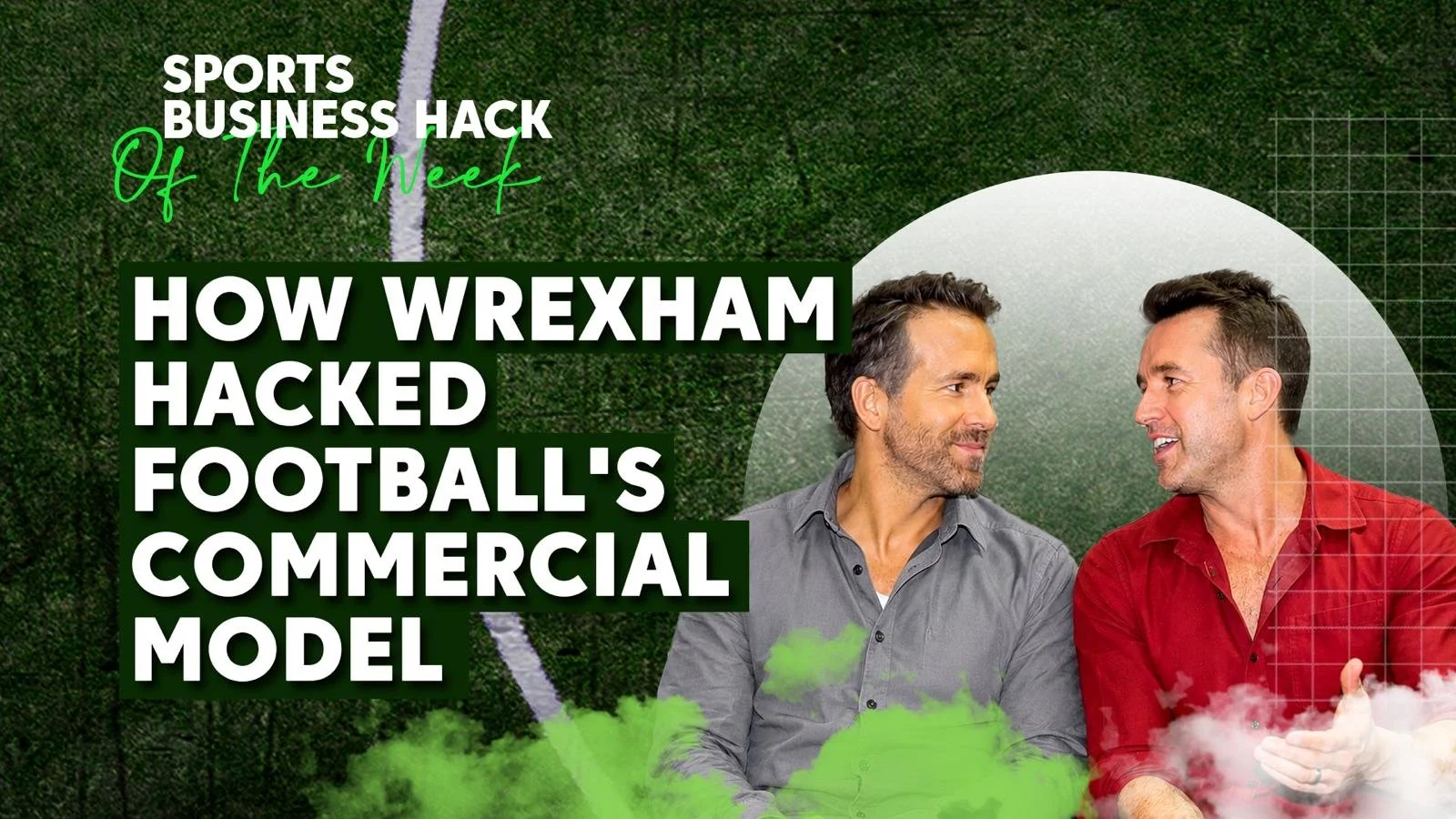
How Wrexham hacked football’s commercial model.
When Ryan Reynolds and Rob McElhenney bought Wrexham AFC in 2020, most people in football didn't take it seriously. Two Hollywood actors buying a fifth-tier Welsh club valued at roughly £2 million. It looked like a vanity project.
It turned out to be one of the most effective club acquisitions in modern sport.
Between them, they had access to broadcast networks, A-list talent and corporate relationships that no fifth-tier club could ever reach on its own.
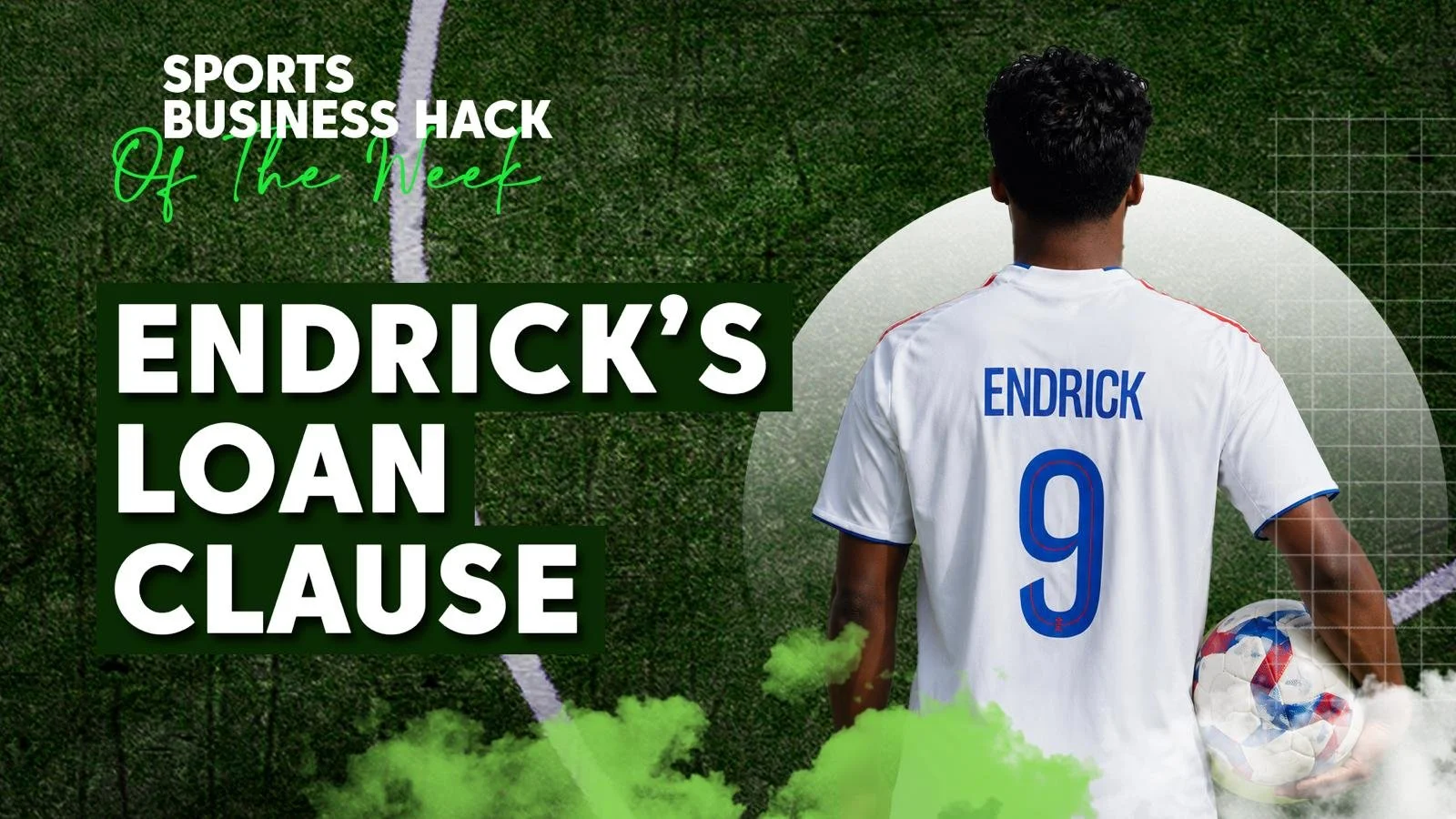
The Clause That Picks The Team
Real Madrid have loaned Endrick to Lyon for a €1 million loan fee. That fee gets reduced by €200,000 for every 5 games he starts. Play 25 games for instance, no loan fee at all.
Lyon's CEO said there's no penalty clause if they don't play him, saying it's an incentive structure, not a punishment mechanism. But that's just semantics. There's 1 million euros at play, whether you frame it as a reward for playing him or a punishment for not playing him.
And it's worth noting that this isn't a new mechanism. It's been happening for years in Premier League loan deals, just normally via wage contributions rather than loan fees.
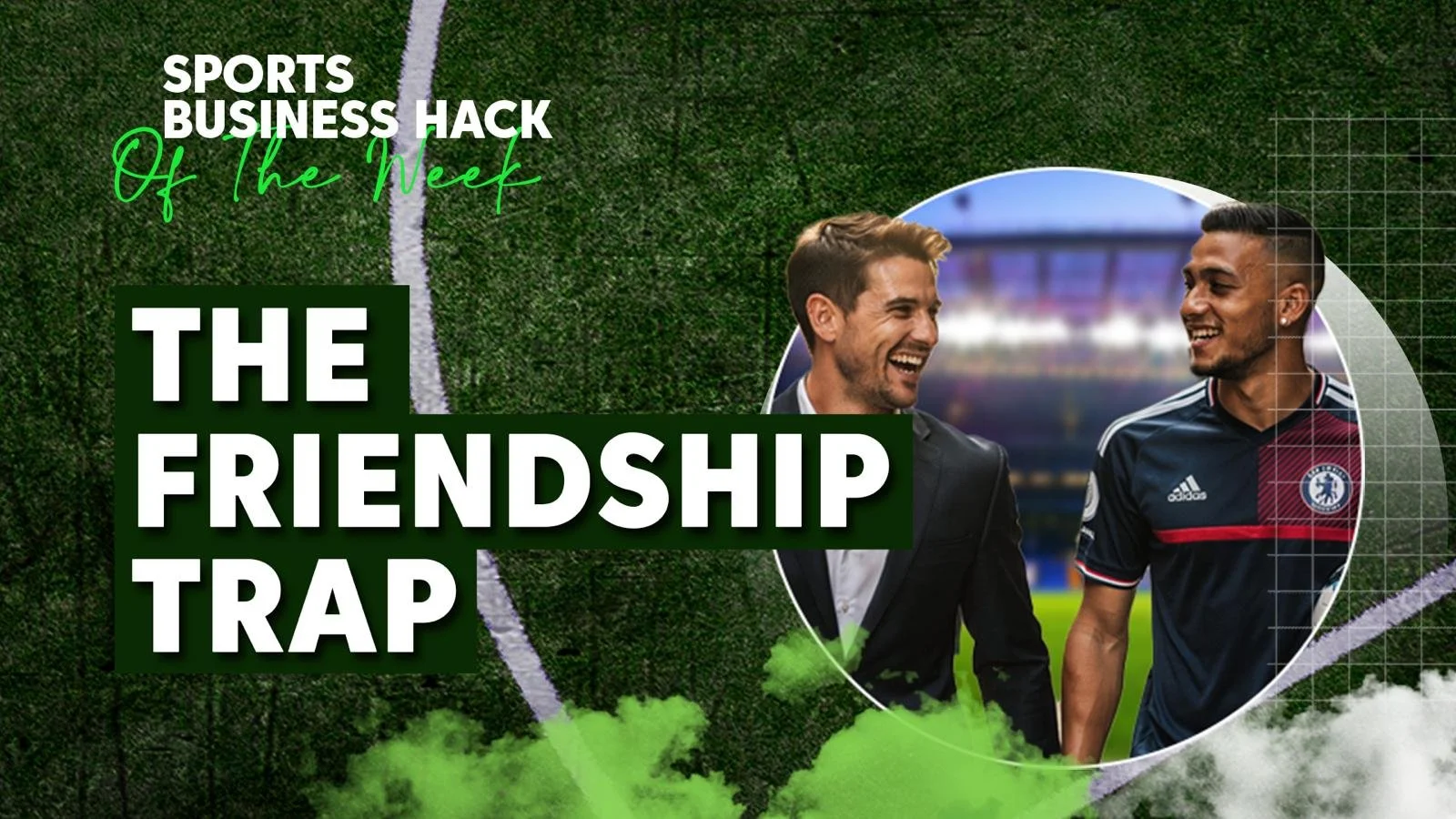
The Friendship Trap.
A lot of agents want to be the player’s best friend. They enjoy the access, the lifestyle, the proximity to the star.
And it costs them the relationship.
Too many agents are deferential to the player, and sometimes even his entourage. Worried about disrupting the equilibrium. But players discern that eventually. They don’t want to feel like they can bully their agent. In fact, they want to feel like their agent has the capacity to bully the club. Get the best deal. Have the presence to fight their corner.
Zero transfers in two years… Then we analysed the data.
For two years, we tried to move our European players into the MLS.
We had solid talent. We had the relationships.
We had zero transfers.
It sounds obvious in hindsight, but I realised the problem wasn't effort. The problem was economics.
Information imbalance is power.
This was the first 8-figure deal I negotiated after setting up my own company.
I moved Sofiane Boufal from Lille to Southampton in 2016. Club-record £16 million transfer at the time.
We worked on it for several months. To say there were speed bumps would be an understatement.
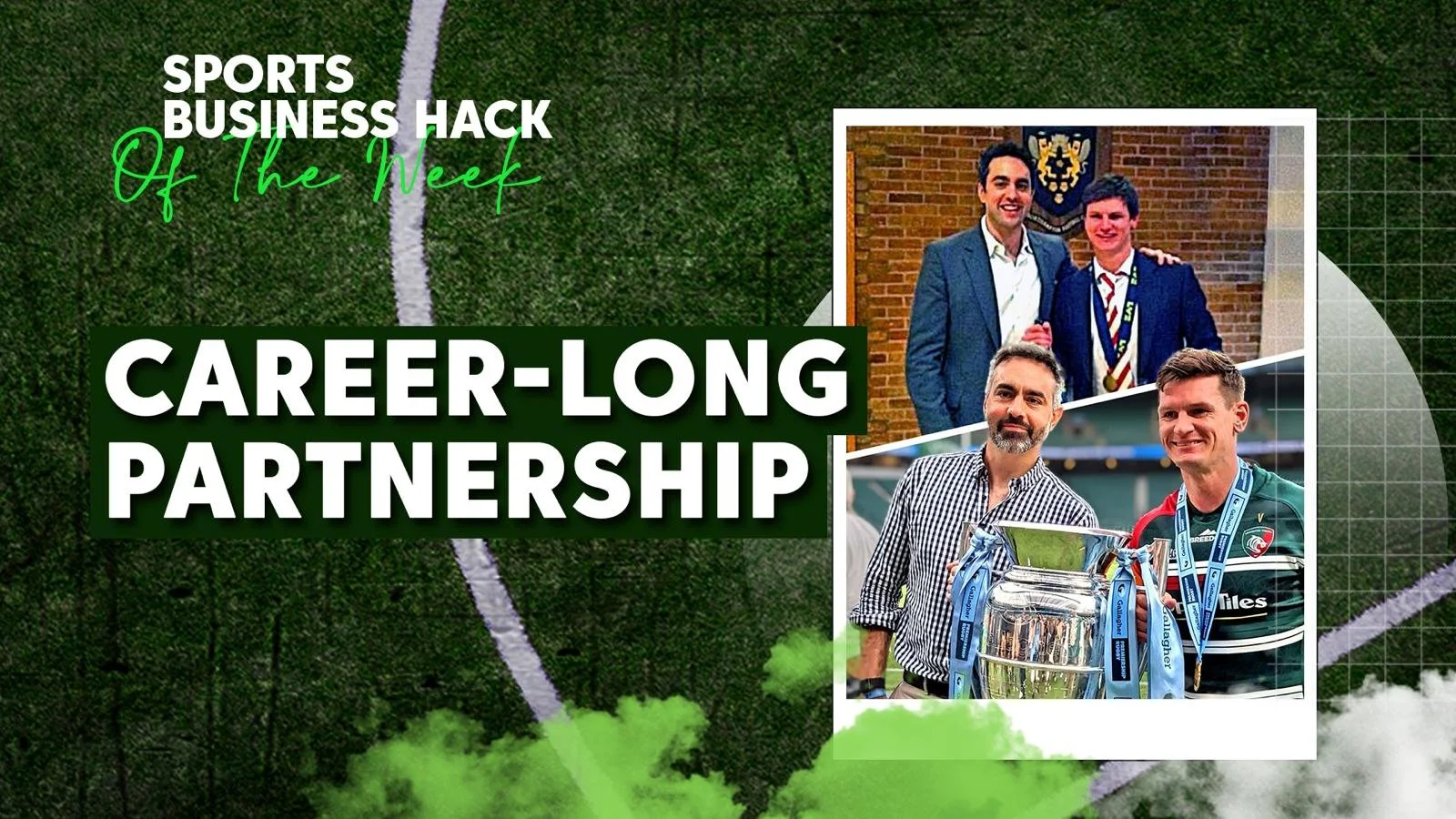
Career-long partnership.
My hack this week is simple but overlooked: invest disproportionately in your earliest relationships. Those first clients, when both of you have something to prove, often become your most loyal. You grow together and their success becomes the best possible advert for your services.
Most agents think about the next deal. The smartest agents think about the next decade.
Because the most valuable client relationships in sport are long term partnerships that span entire careers. Being a good athlete manager is about guiding a human being through the highs and lows of a 15-year professional journey. If both you and your client do it well, it can become the framework for the early years of your business.
My 10 tips for getting into the sports industry in 2026.
1. Find 3 peers and buid a small accountability WhatsApp group.
People at your level, same ambition, different networks. Share leads. Share learnings. Hold each other to the weekly actions, watch it compound.

How to build a global network without a global budget.
Most people think scaling in football requires offices in various countries and a vast team of agents, but particularly in this era, it doesn't. Real scale comes from building a network on the quality of your work, complementary skills, trust and consistent behaviour over time.
Managing your own psychology.
One of the most underrated skills in business is managing yourself.
Early in my career I nearly killed a deal because I couldn't control my emotions.
Reputation never has an off-season.
Agents and brand directors know this. Long before any campaign with a player gets finalised, someone in a boardroom will be asking themselves whether they can trust this player not to damage their brand.
That question decides more commercial deals than goals, stats, or fan engagement ever will.
Deadlines and Time Pressure.
Time can be a useful weapon in negotiation. Deadlines, real or manufactured, force decisions. But they’re a double-edged sword.
From the club or employer side, you’ll often hear “Here is the offer, and it’s only good until Friday then I’m offering it to another player.” These expiring offers are designed to exploit your fear of loss.
Find the real decision maker.
I spent three months convincing the Sporting Director about my player.
He liked him. We travelled to watch his games together. We discussed the transfer fee. We negotiat